
Hear from Our Customers
You’re not buying someone’s neglected trade-in with mystery problems. These are fleet-maintained vehicles that followed strict service schedules during their operational life. Most police interceptors come with heavy-duty alternators, upgraded cooling systems, reinforced suspensions, and performance braking that civilian models don’t offer as standard equipment.
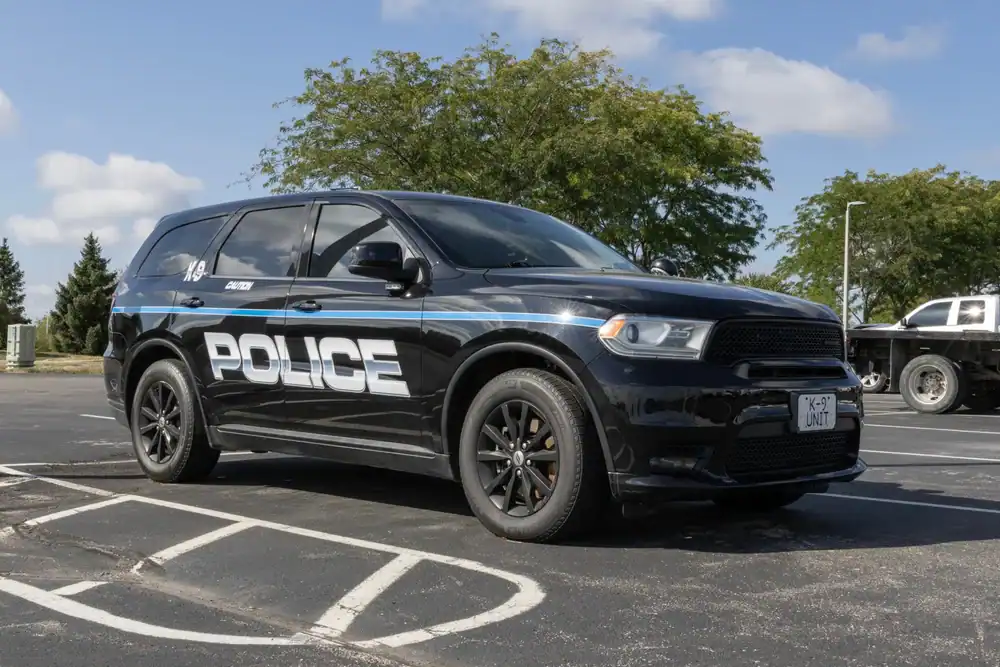
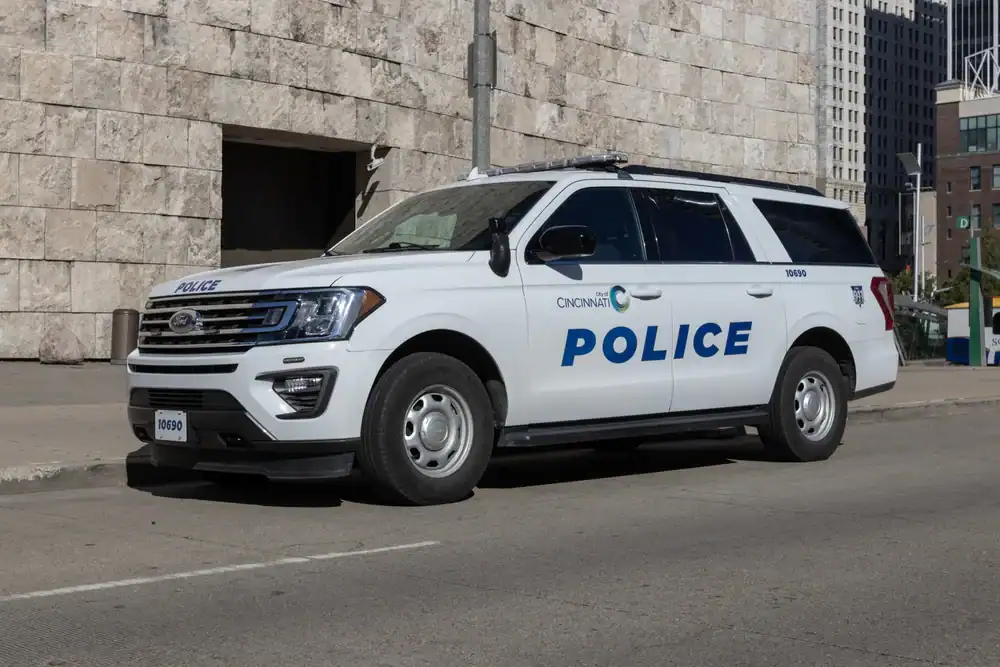
The Ford Police Interceptor Utility and Dodge Charger Pursuit dominate our inventory because they’re built differently. Larger radiators, transmission coolers, and pursuit-rated components mean these vehicles handle stress that would sideline a standard sedan. You’re looking at cars designed for high-speed response and constant idling—not weekend grocery runs.
Price-wise, you’re typically looking at $5,000 to $15,000 for used police cars for sale, while comparable civilian vehicles with similar mileage start above $20,000. That gap exists because of fleet turnover, not because something’s wrong with the vehicle. Harrisburg drivers looking for a second car, rideshare vehicle, or work truck find real value here—especially when you factor in the extra interior space and trunk capacity that came standard for equipment storage.
We don’t dabble in police vehicles—it’s all we do. Our inventory consists exclusively of pre owned police cars for sale from retiring law enforcement fleets. We’re not a repair shop, and we don’t offer maintenance services. We focus entirely on connecting Harrisburg buyers with the specific vehicles they’re searching for.
Harrisburg’s median household income sits around $47,783, and the average household owns one car. That makes a reliable, affordable second vehicle a practical need for many families here. Whether you’re driving for Uber, running a small business, or just need something dependable that won’t drain your budget, retired police cruisers offer a different value equation than typical used car lots.
You start by browsing our current inventory of used cop cars for sale. Each listing shows the make, model, year, and mileage—typically between 120,000 and 160,000 miles for most retired cruisers. That number looks high, but remember these are highway miles and documented maintenance, not city stop-and-go with deferred service.
All vehicles sell as-is, where-is. That’s standard for government surplus sales. You’re assuming the risk from the moment the sale closes, which means you need to do your homework before buying. Request maintenance records if available. Inspect the vehicle yourself or bring a mechanic you trust. Check for idle hours if that information is accessible—police vehicles spend significant time idling, which doesn’t show on the odometer but does affect engine wear.
Once you’ve identified a vehicle you want, the purchase process moves quickly. No financing games, no extended negotiations. You’re buying directly from surplus inventory, which keeps the process straightforward. Most buyers in Harrisburg appreciate that transparency—you know what you’re getting, you know the price, and you make an informed decision without the typical dealership pressure.
Ready to get started?
Our inventory rotates based on fleet retirements, but you’ll consistently find Ford Police Interceptor Utilities and Dodge Charger Pursuit models. The Ford Interceptor is the most common pursuit-rated vehicle in the United States—it’s what most departments choose because it works. The Charger Pursuit comes with either a 3.6-liter V6 or the 5.7-liter Hemi V8 pushing 370 horsepower. Both options offer performance you won’t find in standard consumer vehicles at this price point.
These aren’t stripped-down base models. You’re looking at vehicles with reinforced frames, heavy-duty brakes, upgraded tires, and additional safety features like extra airbags that weren’t available in civilian versions. The interior space is larger—both front legroom and trunk capacity—because officers needed room for equipment. That extra space translates directly into practical benefits for Harrisburg buyers using these vehicles for work, family, or rideshare.
Harrisburg’s diverse population—41.5% Black or African American, 25.9% White, plus other ethnic groups—means different buyers have different needs. Families want reliable transportation. Rideshare drivers want durability and space. Small business owners want work vehicles that won’t quit. Retired police cruisers check those boxes without the new-car price tag, and the resale value stays relatively stable because demand remains consistent across security companies, taxi services, and individual buyers.
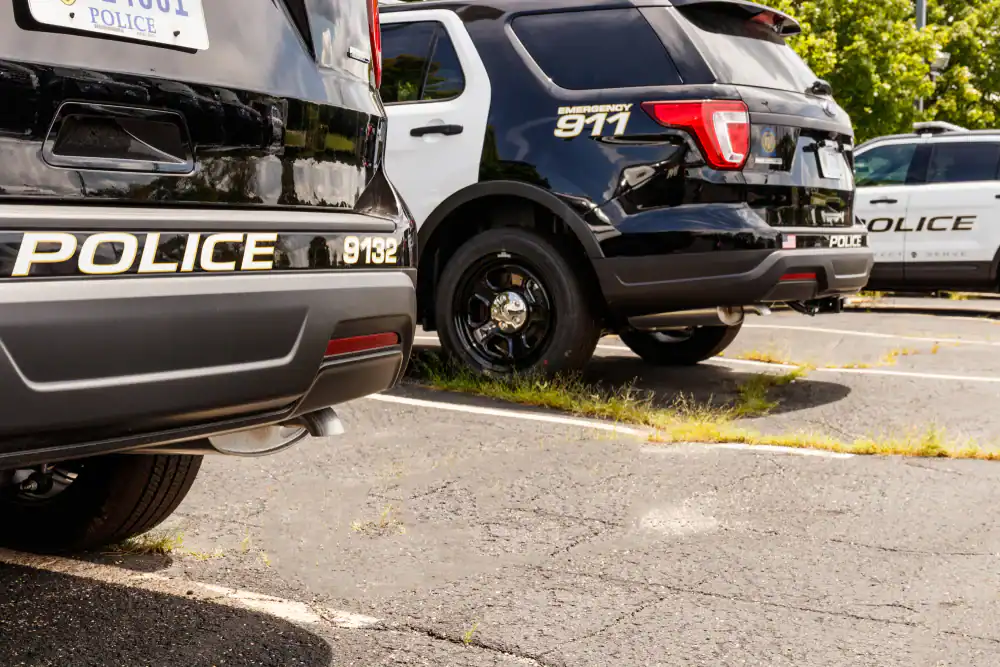
Most retired police cruisers show between 120,000 and 160,000 miles, which immediately makes some buyers nervous. But context matters here. These are predominantly highway miles from patrol routes, not aggressive city driving. More importantly, these vehicles followed strict maintenance schedules—oil changes, brake inspections, fluid checks—at intervals most private owners never maintain.
The bigger consideration is idle time. Police vehicles spend hours idling during shifts, and those hours don’t register on the odometer. A general rule is to double the displayed mileage to account for engine wear from idling. So a cruiser showing 120,000 miles might have engine wear equivalent to 240,000 miles. That sounds worse than it is—these engines are built for exactly that kind of use, with heavy-duty components civilian models don’t include.
What you’re really evaluating is whether a well-maintained, purpose-built vehicle with high mileage offers better value than a lower-mileage civilian car with unknown maintenance history. For many Harrisburg buyers, especially those needing work vehicles or second cars, that equation works out in favor of the police cruiser.
As-is means exactly what it sounds like—you’re buying the vehicle in its current condition with no warranties or guarantees from us. Once the sale closes, any problems become your responsibility. This isn’t unique to police car sales; it’s standard for government surplus transactions. But it does mean you need to approach the purchase differently than you would at a traditional dealership.
Before you buy, inspect the vehicle thoroughly. Bring a mechanic if you’re not comfortable evaluating it yourself. Request maintenance records to verify the service history. Check for obvious wear issues—brakes, tires, suspension components, fluid leaks. Test drive it if possible. Look for signs of accident damage or frame issues that might not be immediately visible.
The as-is model keeps prices lower because we’re not providing guarantees or absorbing return risk. That benefits buyers who know what they’re looking for and can accurately assess a vehicle’s condition. It’s less ideal for buyers who want assurances or aren’t comfortable with mechanical evaluation. If you’re in the second category, bring someone who is—the money you spend on a pre-purchase inspection is cheap compared to buying a problem vehicle.
Yes, significantly. The Ford Police Interceptor Utility is the fastest police vehicle available for 2023, outperforming both the Dodge Charger and Chevy Silverado in pursuit testing. These aren’t marketing claims—they’re tested performance metrics from vehicles designed for high-speed response situations.
The Interceptor comes with a twin-turbo V6 engine that delivers serious acceleration. The Dodge Charger Pursuit with the 5.7-liter Hemi V8 produces 370 horsepower and can exceed 140 mph in pursuit scenarios. Even the V6 Charger with all-wheel drive offers performance well above civilian sedans. You’re looking at vehicles engineered specifically for speed, handling, and stability at velocities that would make a standard car feel unsafe.
That performance matters for certain buyers. If you’re merging onto highways frequently, that acceleration profile makes a difference. If you value responsive handling and confident braking, pursuit-rated components deliver. But it’s worth noting that this performance comes with trade-offs—fuel economy isn’t great, and the suspension is stiffer than a comfort-focused civilian vehicle. You’re getting a tool built for a specific job, and that job wasn’t maximizing comfort or efficiency.
Yes, and it’s one of the most commonly reported experiences from owners of used police cruisers. Even after the light bars and decals are removed, these vehicles maintain a distinctive profile that other drivers recognize. The Ford Interceptor Utility and Dodge Charger Pursuit have specific body shapes, grille designs, and stances that signal “police vehicle” to most drivers.
Some buyers find this amusing—watching traffic suddenly obey the speed limit when you appear in their rearview mirror. Others find it frustrating because it means you’ll often be traveling slower than the flow of traffic, even when you’re not trying to. It’s a psychological response you can’t really control, and it affects your driving experience whether you want it to or not.
If you’re buying a retired cop car for work purposes—delivery driving, rideshare, business use—this behavior can actually slow you down and affect your efficiency. If you’re buying it as a personal vehicle and don’t mind the attention, it’s more of a quirk than a problem. Either way, it’s something to consider before purchase, because it will happen, and it happens consistently enough that nearly every owner mentions it.
Start with maintenance records. Most departments keep detailed service logs, and you should request these before purchase. You’re looking for consistent oil changes, brake service, transmission maintenance, and any major repairs. Gaps in the service record or deferred maintenance are red flags—these vehicles need regular attention to stay reliable.
Inspect the vehicle physically. Check brake pad thickness, tire tread depth, and suspension components for wear. Look under the car for fluid leaks, exhaust damage, or frame issues. Pop the hood and check fluid levels and conditions—oil, coolant, brake fluid, transmission fluid. Dark or burnt-smelling transmission fluid suggests problems. Low coolant or oil might indicate leaks or consumption issues.
Test drive it if possible. Listen for unusual noises—grinding, whining, clunking—that suggest mechanical problems. Feel how it handles, brakes, and accelerates. Check that all electrical systems work, including lights, windows, and climate control. Remember that idle hours aren’t reflected in the odometer reading, so even if the mileage seems manageable, the engine might have more wear than you expect. If you’re not confident in your ability to evaluate these things, hire a mechanic for a pre-purchase inspection. It’s worth the cost.
The price difference comes down to supply and perception, not quality. Law enforcement agencies retire vehicles in bulk when they reach certain mileage thresholds or age limits. That creates consistent surplus inventory that needs to move quickly. Departments aren’t trying to maximize profit—they’re cycling out old fleet vehicles to make room for new ones, which keeps prices lower than private party sales or dealership lots.
Perception plays a role too. Many buyers see the high mileage and assume the vehicles are worn out or problematic. That perception suppresses demand, which keeps prices down. But buyers who understand what they’re looking at—fleet-maintained vehicles with heavy-duty components and documented service histories—recognize the value equation is different than typical used cars.
You’re also buying vehicles that were purpose-built for demanding use. The components are more robust, the maintenance was more consistent, and the build quality is higher than consumer-grade equivalents. A comparable civilian Ford Explorer or Dodge Charger with similar mileage would cost significantly more, but it wouldn’t have the upgraded cooling, braking, suspension, and electrical systems that police interceptors include as standard equipment. For Harrisburg buyers who need reliable transportation without new-car payments, that price gap represents real savings—assuming you’re comfortable with the as-is purchase model and higher mileage.
Other Services we provide in Harrisburg