
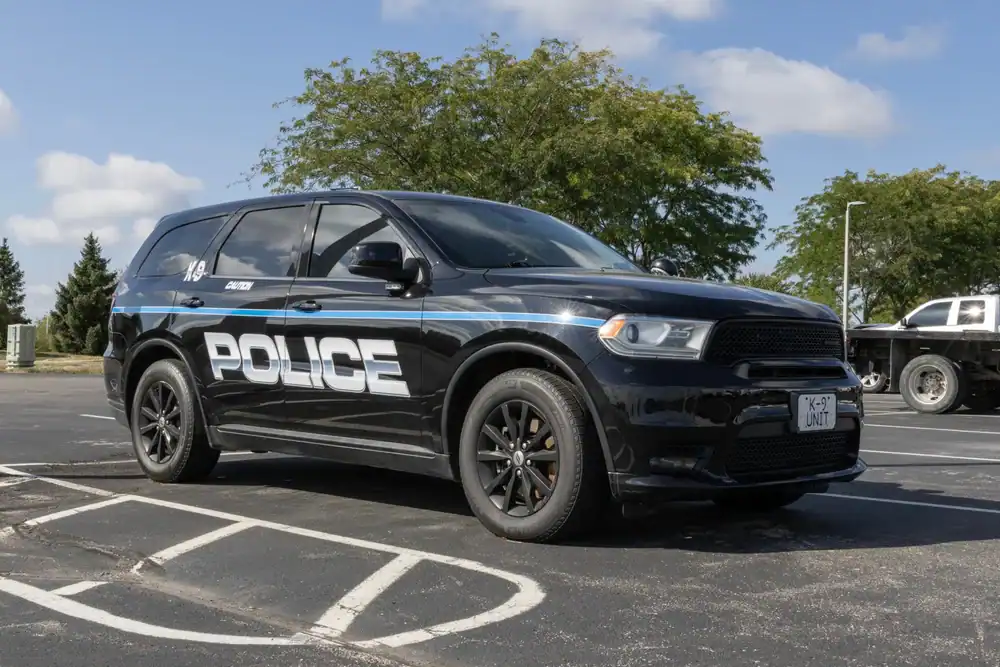
Hear from Our Customers
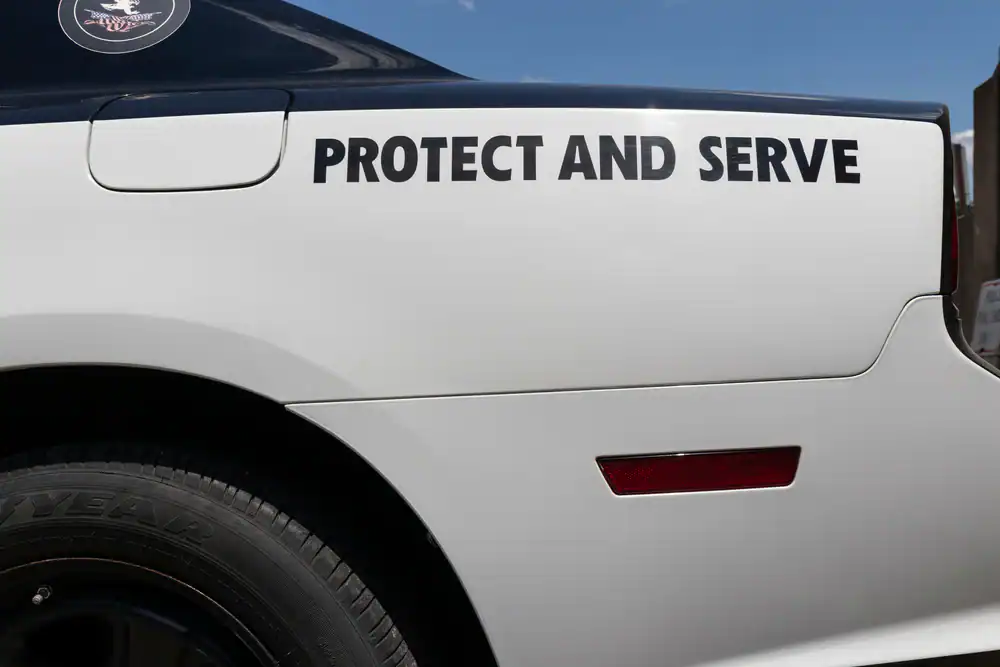
You’re not buying someone’s neglected trade-in. These are vehicles that were built to handle high-speed pursuits, constant idling, and daily abuse from officers who didn’t baby them. That means heavy-duty suspension, reinforced frames, upgraded braking systems, and engines designed to perform under stress.
The difference shows up when you’re merging onto the 190 in winter or hauling equipment for work. These vehicles respond. They don’t hesitate. And because they were maintained on strict government schedules, you’re getting something that was actually taken care of—not just driven until something broke.
Most retired cop cars for sale fall between $5,000 and $15,000. Compare that to a similar civilian SUV or sedan starting above $20,000, and the value becomes obvious. You’re getting more vehicle for less money, and it’s not even close.
We don’t sell regular used cars. We specialize in one thing: pre owned police cars for sale. That focus means we know these vehicles inside and out—what to look for, what holds up, and what doesn’t.
We’re based in Newark, NJ, but we serve buyers across the region, including Tonawanda and the greater Buffalo area. Western New York winters are brutal, and these vehicles were designed for exactly that kind of punishment. If you’ve been searching for used police cruisers for sale that can handle Niagara County roads year-round, you’re in the right place.
We don’t use pushy sales tactics. You tell us what you need, and we’ll match you with what we have in inventory. If it’s not the right fit, we’ll say so.
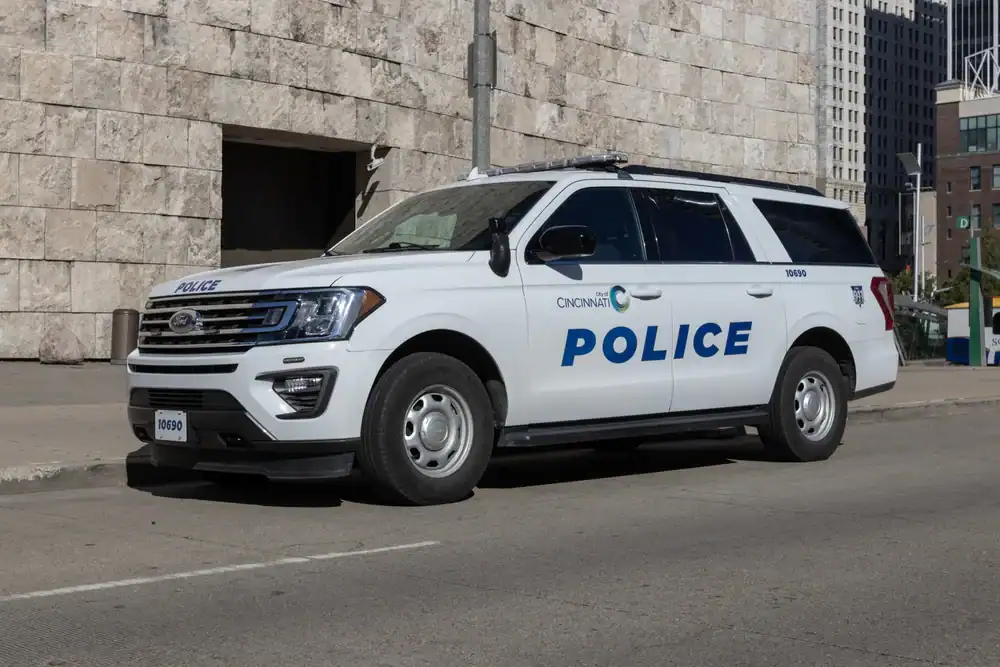
First, you browse our current inventory of used cop cars. We list what we have available, including make, model, mileage, and condition. Most of what we carry are Ford Police Interceptor Utilities and Dodge Charger Pursuits—the two most common platforms in law enforcement.
Once you find something that fits your needs, you reach out. We’ll answer your questions about the vehicle’s history, maintenance records, and any modifications or equipment that’s been removed. We’re transparent about mileage, idle hours, and what kind of duty the vehicle saw. Some were highway patrol cars with mostly freeway miles. Others were city units with more stop-and-go wear.
If you want to move forward, we handle financing. We offer zero-percent interest financing regardless of credit score. Everyone gets approved. From there, it’s paperwork, payment, and pickup or delivery. No runaround. No surprises.
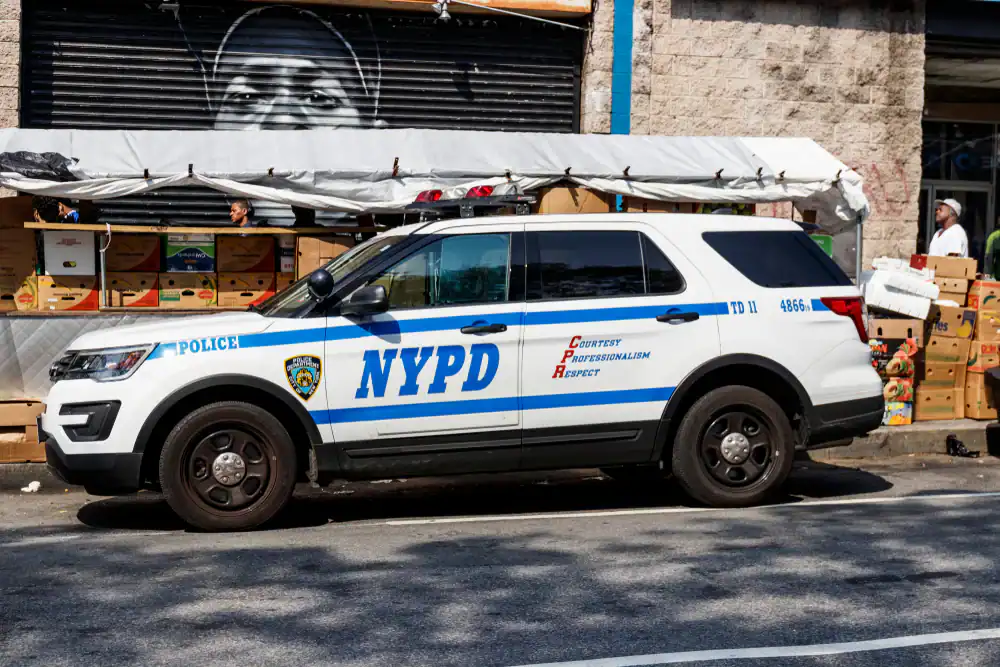
Ready to get started?
Our inventory rotates, but we consistently stock Ford Explorer Police Interceptors and Dodge Charger Pursuits. The Explorer is the best-selling police vehicle in the country and has been for years. It’s a 3.7-liter V6 or available twin-turbo EcoBoost with all-wheel drive, pursuit-rated handling, and enough room for gear, passengers, or cargo.
The Charger Pursuit comes with a 5.7-liter Hemi V8 pushing 370 horsepower. It’s rear-wheel or all-wheel drive, aggressive, and built for speed. If you want something that moves, this is it.
Mileage typically ranges between 80,000 and 150,000 miles. That sounds high, but these aren’t regular highway miles. Police vehicles are maintained every few thousand miles with oil changes, brake inspections, fluid checks, and part replacements. They’re also built with components that civilian models don’t get—steel wheels, heavy-duty alternators, transmission coolers, and upgraded electrical systems.
Tonawanda buyers often use these vehicles for rideshare, delivery work, or as daily drivers that won’t quit in a snowstorm. They’re also popular with small business owners who need something reliable without the new-car payment. You’re getting a tool, not a luxury item.
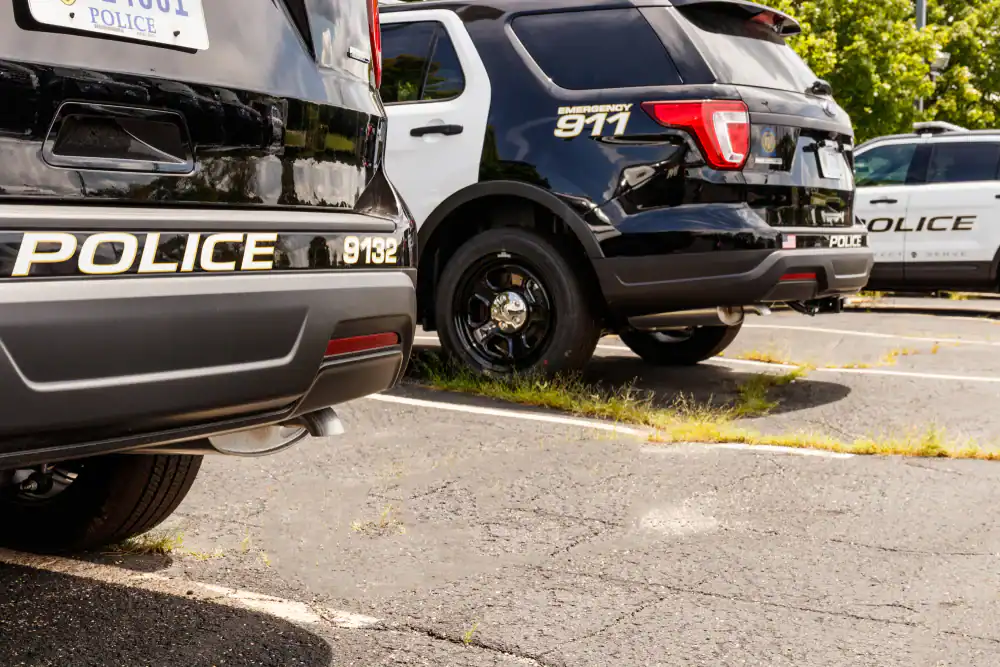
It depends on where you buy and what you’re comparing it to. A used police car from a reputable dealer who specializes in them is a solid deal. A random auction car with no history or inspection is a gamble.
Police vehicles are maintained on schedules that most civilian owners never follow. Oil changes every 3,000 to 5,000 miles. Brake inspections constantly. Fluid replacements on time. These vehicles were driven hard, but they were also taken care of because departments can’t afford breakdowns in the field.
The trade-off is mileage and wear. You’re looking at 100,000+ miles in most cases, and the interiors won’t be pristine. But the powertrain, suspension, and safety systems are often in better shape than a comparable civilian vehicle with the same mileage. You’re buying durability and performance at a fraction of retail cost.
Idle hours matter more than odometer miles. Police cars spend a lot of time idling—running radar, working scenes, sitting in parking lots with the engine on. That creates engine wear that doesn’t show up in mileage. Ask about idle time if the seller tracks it.
Check the interior for modifications. Dashboard holes from removed equipment, worn seats, and faded upholstery are common. Some buyers don’t care. Others want something cleaner. Know what you’re getting before you commit.
Look at the maintenance records. Departments usually keep detailed logs. If a seller can’t or won’t provide them, that’s a red flag. You want to see what was replaced, when, and why. It tells you what might need attention soon and whether the vehicle was actually maintained or just driven into the ground.
We offer zero-percent interest financing regardless of your credit score. Everyone gets approved. That’s not a sales pitch—it’s how we operate.
Most lenders treat older, high-mileage vehicles differently than newer cars. Rates go up, terms get shorter, and approvals get harder. We remove that barrier entirely. You’re financing the vehicle at zero percent, which means your payment is just the price divided by the term. No interest. No credit check surprises.
If you’d rather pay cash, that works too. But financing gives you flexibility without the penalty of interest, and it keeps cash in your pocket for other expenses. It’s one less thing to stress about when you’re trying to get into a reliable vehicle without overpaying.
It depends on how they’re used after retirement. If you’re using it as a daily driver and keeping up with maintenance, you can easily get another 50,000 to 100,000 miles. These vehicles are built to last well beyond what most civilian cars can handle.
The key is continuing the maintenance schedule. Don’t skip oil changes. Don’t ignore warning lights. Don’t run it into the ground just because it’s tough. Treat it like the tool it is, and it’ll keep working.
A lot of buyers use retired police cars for commercial purposes—taxi services, security companies, delivery fleets. They rack up miles quickly and need something that won’t quit. That’s why these vehicles stay in demand even after they leave law enforcement. They’re proven, and they hold up.
Police interceptors aren’t just civilian models with a light bar. They’re built differently from the factory. Upgraded cooling systems, reinforced suspension, heavy-duty brakes, calibrated steering, and performance tuning that civilian versions don’t get.
The Ford Police Interceptor Utility, for example, has a different suspension setup than the civilian Explorer. The brakes are larger. The alternator is more powerful to handle all the electrical equipment. The seats are designed for officers wearing duty belts. Even the wheels are steel instead of alloy because they’re stronger and cheaper to replace.
The Dodge Charger Pursuit gets a police-tuned suspension, upgraded brakes, and a more aggressive engine calibration. It’s pursuit-rated, which means it passed tests for high-speed chases, hard braking, and sustained performance that regular Chargers never see. You’re not just getting a used sedan. You’re getting a vehicle engineered for extreme use.
Mileage and perception. Most buyers see 120,000 miles and assume the vehicle is worn out. They see “former police car” and think it was abused. That drives the price down, even though the reality is more nuanced.
Police vehicles depreciate faster because they’re fleet vehicles, not personal cars. Departments buy in bulk and sell in bulk. There’s no emotional attachment, no premium for low mileage, and no markup for options. It’s a transaction, and the pricing reflects that.
For buyers who understand what they’re getting, that’s an advantage. You’re paying less for a vehicle that was maintained better than most civilian cars and built to higher standards. The market undervalues them because of mileage and perception, but the actual condition and capability are often better than the price suggests. That’s where the value is.
Other Services we provide in Tonawanda