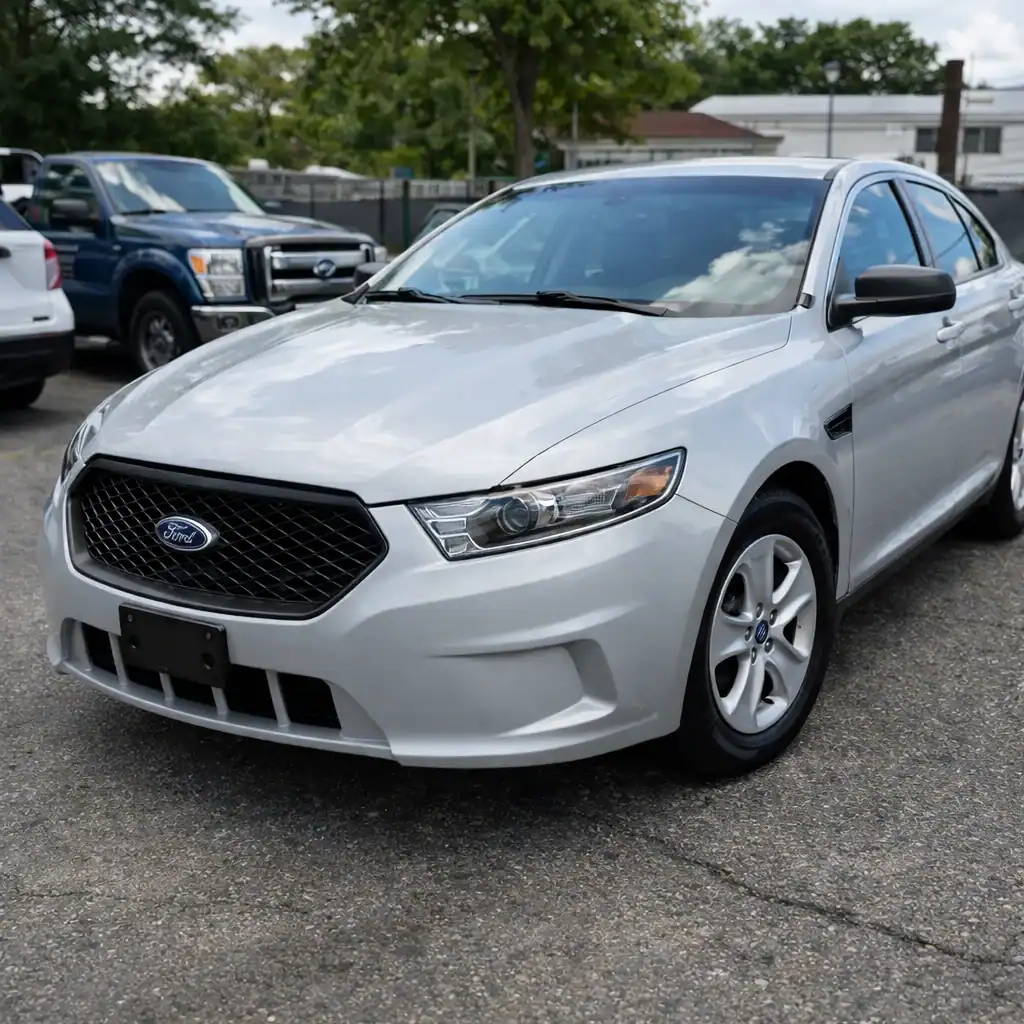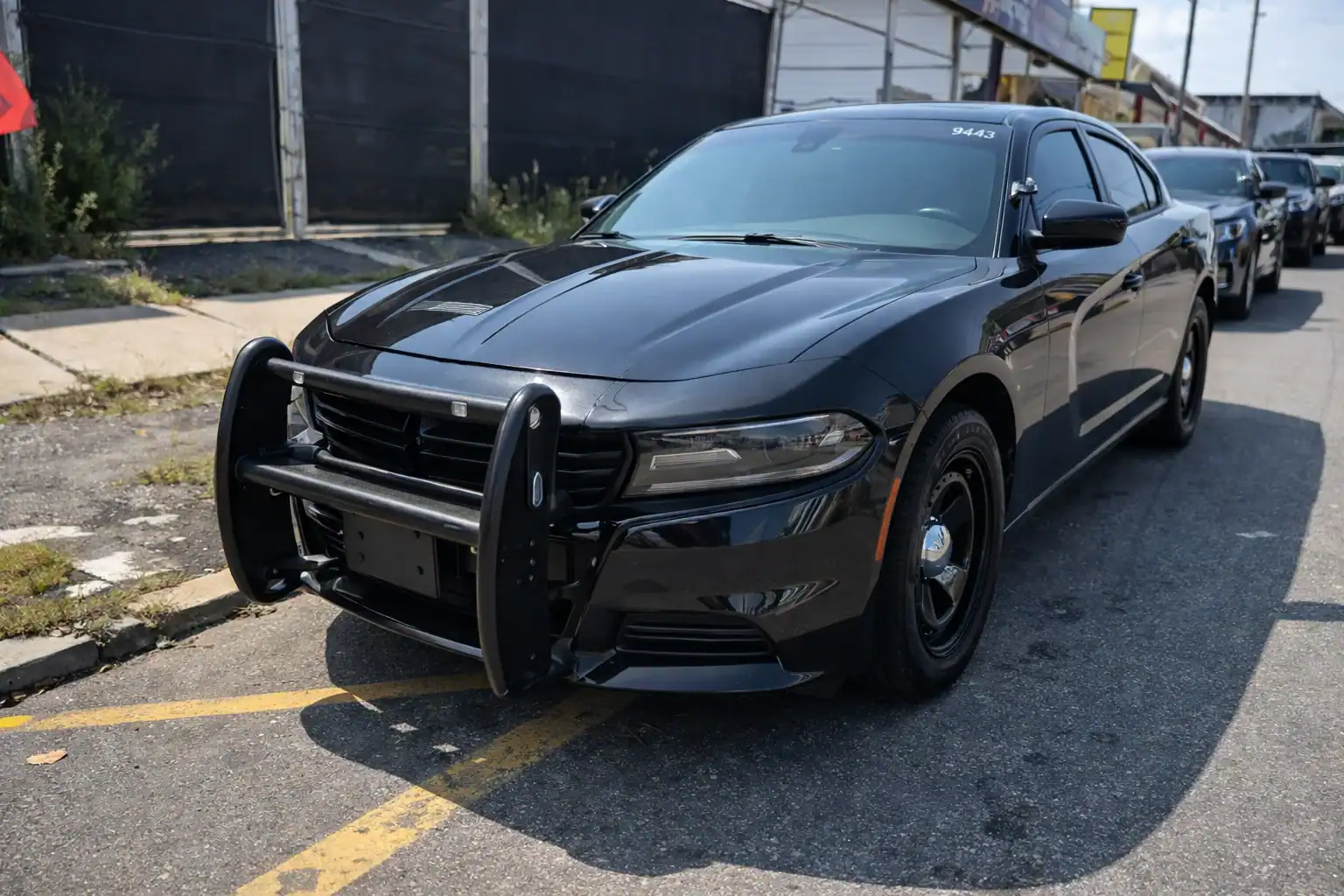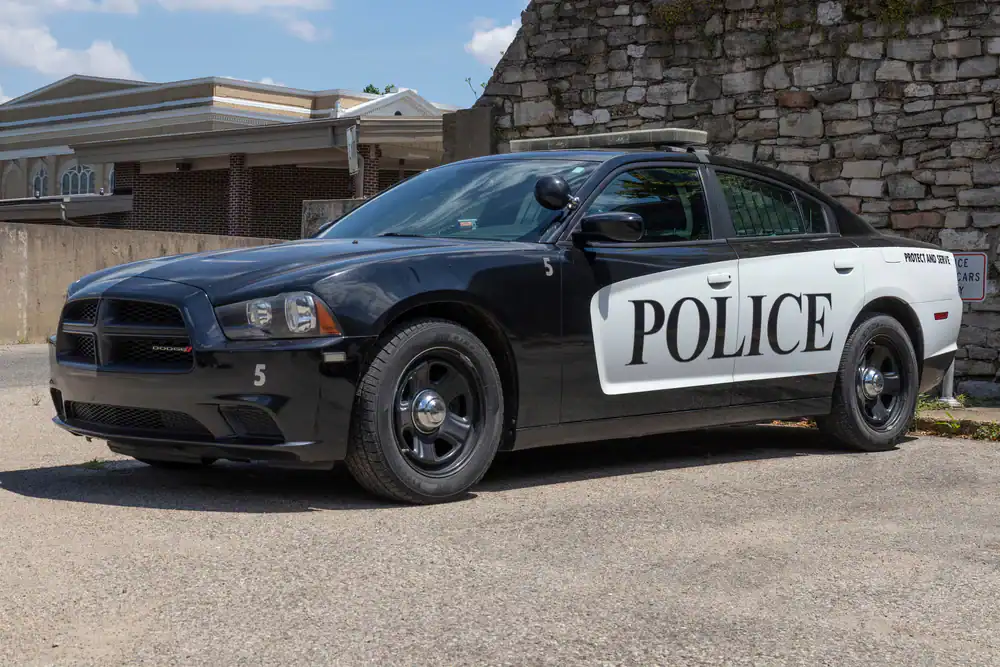
Used police cars offer serious value, but high mileage and hard use mean you need to know exactly what to check before buying.
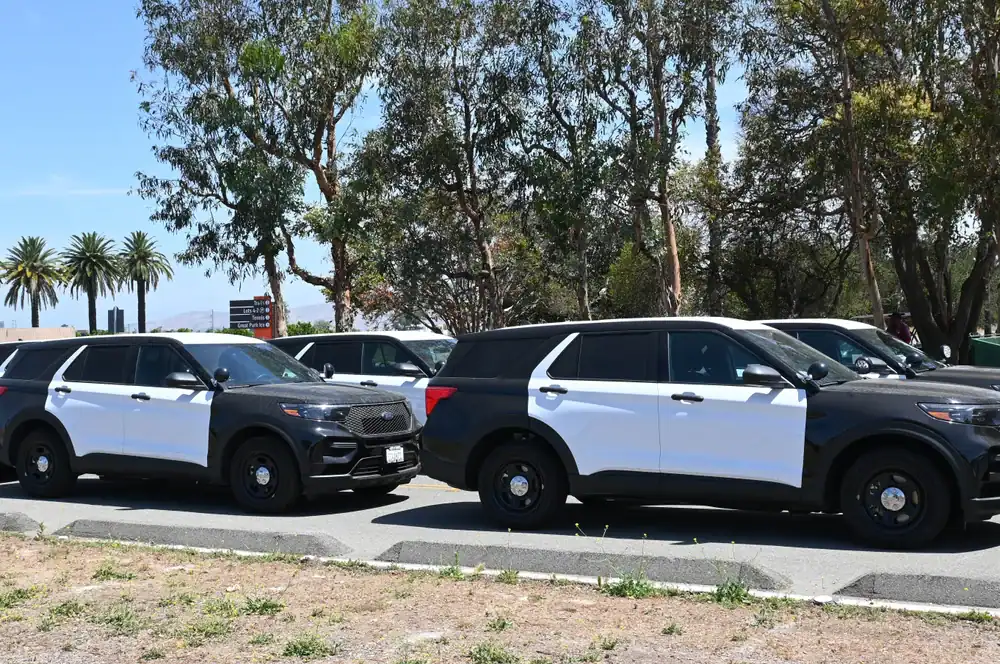
Police vehicles aren’t just regular cars with a light bar bolted on top. They’re purpose-built from the factory with upgrades you won’t find on a standard model. Heavy-duty alternators. Reinforced suspension. Upgraded cooling systems. Performance-tuned engines designed to handle pursuit situations and long idle periods.
That’s the good part. The reality is these vehicles were also used harder than almost any civilian car on the road. Two or three shifts per day. Constant idling. Stop-and-go driving in urban environments. High-speed chases in some cases. A three-year-old police car might have the wear pattern of a ten-year-old civilian vehicle, even if the odometer doesn’t reflect it.
When you’re looking at a used police car with 120,000 miles, your first instinct might be to walk away. High mileage feels risky. But with police vehicles, the odometer is only part of the equation. What matters just as much—if not more—is idle hours.
Police cars spend a significant portion of their life sitting still with the engine running. Radar enforcement. Report writing. Surveillance. All of that time adds wear to the engine without adding miles to the odometer. Prolonged idling causes carbon buildup on valves and spark plugs, which can reduce engine efficiency over time. It can also lead to issues like rough idling, misfires, or excessive oil consumption down the road.
So when you’re evaluating a used police vehicle, don’t just ask about mileage. Ask how the vehicle was used. Was it a patrol car running multiple shifts? Was it assigned to a detective or supervisor who drove it home each night? A take-home vehicle with higher mileage is often a better buy than a pool car with lower miles but constant idle time. Context matters more than the number on the dash.
Most police departments retire vehicles between 120,000 and 160,000 miles, but that doesn’t tell you how hard those miles were. A highway patrol vehicle that spent most of its time on interstates will have different wear patterns than an urban patrol car that idled for hours and made constant short trips. Ask the seller how the vehicle was deployed. If they don’t know or won’t tell you, that’s a red flag. You need to understand the vehicle’s actual workload, not just its mileage.
Don’t expect showroom condition. Police vehicles are work trucks, and they look like it. The interior will show wear. Torn upholstery. Scuff marks on the center console. Holes in the dashboard where equipment was mounted and removed. Some vehicles have water damage around the trunk area from former light bar mounts. It’s not a deal-breaker, but it’s something to factor into your decision.
Check the dashboard carefully. Look for holes, missing trim pieces, or spots where brackets were bolted in. Open the trunk and inspect the ceiling and sides for rust or water stains. Police equipment leaves a footprint, and not all of it gets cleaned up before the car hits the lot. If the cosmetic damage bothers you, budget for repairs or keep looking.
The exterior can be just as telling. Check the front bumper for push bar damage. Look at the roof for holes or rust where the light bar was mounted. Inspect the paint for scratches, especially around door handles and the rear quarter panels where gear gets loaded in and out daily. Run your hand along the body panels to feel for uneven surfaces that might indicate repair work. Check panel gaps to make sure they’re consistent—uneven gaps can signal frame damage or poor collision repair.
These aren’t luxury vehicles. They’re tools. And they’ve been used like tools. If you can accept that, you’ll find value. If you’re expecting pristine, you’re shopping in the wrong category. The key is distinguishing between normal wear and serious damage. Surface scratches are cosmetic. Frame damage is structural. Know the difference before you negotiate price.
Want live answers?
Connect with a State Surplus Auto Sales expert for fast, friendly support.
This is where you separate a solid buy from a future headache. Police vehicles are supposed to be maintained on strict schedules. Oil changes. Brake inspections. Fluid top-offs. The question is whether the department actually followed through, and whether you can prove it. Always ask for maintenance records. If the seller can’t or won’t provide them, that’s a red flag.
Run a vehicle history report. Use the VIN to pull a CARFAX or AutoCheck report before you even schedule a test drive. You’re looking for accident history, title issues, service records, and odometer consistency. A clean report doesn’t guarantee a perfect car, but a messy one should send you running.
Government agencies are supposed to follow maintenance schedules religiously, but not all departments are created equal. Some keep meticulous records. Others barely track oil changes. When you’re buying a used police car, those records are your insurance policy. They tell you whether the vehicle was cared for or just run into the ground.
Look for documentation of regular oil changes, transmission services, brake replacements, and cooling system flushes. Police vehicles put extra strain on these systems, so consistent maintenance is critical. If the records show gaps—say, 15,000 miles between oil changes—that’s a problem. Engines don’t forgive neglect, especially ones that idle for hours every day.
Also pay attention to what repairs were made and when. If you see repeated fixes for the same issue, that’s a pattern. It means the problem was never actually solved, just patched. Ask the seller to explain any recurring repairs. If they can’t, or if the explanation doesn’t make sense, walk away. You’re not buying someone else’s project car.
Ford Police Interceptor Utilities, for example, have a reliability rating of 2.0 out of 5.0 and average annual repair costs around $1,160. That doesn’t mean they’re bad vehicles—it means they need proper maintenance to stay reliable. If the records show the work was done, you’re in better shape. If they don’t, budget for repairs or keep shopping. Maintenance history is the single best predictor of future reliability on any used vehicle, but especially on one that’s been worked this hard.
A vehicle history report is a must, but it’s not a crystal ball. It’ll show you reported accidents, title changes, service records from participating shops, and odometer readings over time. What it won’t show you is unreported damage, repairs done at independent shops that don’t report to CARFAX, or mechanical issues that haven’t triggered a claim or repair yet.
That’s why you need to dig deeper. If the report shows an accident, find out the severity. Minor cosmetic damage is one thing. Frame damage is another. If there’s a gap in service records, ask the seller to fill it in. Did they do the work themselves? Was it done at a shop that doesn’t report to CARFAX? Or was it just not done at all?
Also check for title issues. A salvage or rebuilt title means the car was declared a total loss at some point. That’s not always a deal-breaker, but it does affect resale value and insurability. Some insurance companies won’t even cover a salvage title vehicle. Know what you’re getting into before you sign anything.
The report also shows ownership history. Multiple owners in a short time frame can be a warning sign—it might mean the car had problems that each owner discovered and passed along. Look at how the vehicle was used. Was it personal use, fleet use, or rental? Police vehicles will show as fleet or government use, which is expected. What you don’t want to see is a salvage title, odometer rollback, or accident with severe damage. The report gives you a starting point, not the full story. Use it to ask better questions, not to skip the inspection.
Most used police vehicles are sold “as-is,” which means you’re buying the car in its current condition with no warranty. Once you drive off the lot, any repairs are on you. That’s different from certified pre-owned vehicles, which come with manufacturer-backed warranties and thorough inspections. Certified cars cost more, but they come with protection. As-is cars cost less, but the risk is yours.
If you’re buying as-is, get a pre-purchase inspection from a trusted mechanic. It’ll cost you $100 to $200, but it can save you thousands. A good mechanic will check the engine, transmission, brakes, suspension, and frame for issues the seller might not disclose. If the seller won’t let you get an inspection, walk away. That’s not normal, and it’s not worth the risk.
Financing a used police car can be tricky if you have bad credit or no credit. Traditional lenders may hesitate because of the vehicle’s history and condition. That’s where we make a difference. We offer zero-interest financing regardless of credit score, which opens the door for buyers who’d otherwise be stuck with high-interest loans or no financing at all. That kind of flexibility matters when you’re trying to get reliable transportation without breaking the bank.
Buying a used police vehicle isn’t for everyone, but if you go in with your eyes open, it can be a smart move. You’re getting a car built for durability, often with performance upgrades you’d pay extra for on a civilian model. You’re also getting a vehicle that’s been used hard, so you need to know what to look for. Check the maintenance records. Run the vehicle history report. Inspect the interior and exterior for signs of heavy use. Understand what as-is means. And don’t let a low price distract you from red flags. If you do your homework, you’ll find value. If you skip steps, you’ll find regret. We’ve been helping buyers in New Jersey, New York, and Pennsylvania since 2003 with honest answers and quality government vehicles. No pressure. Just transparency.
Summary:
Article details:
Share: