
Hear from Our Customers
You’re not buying a retired patrol car because it’s your only option. You’re buying it because you know what most people don’t: these vehicles were built different from the start.
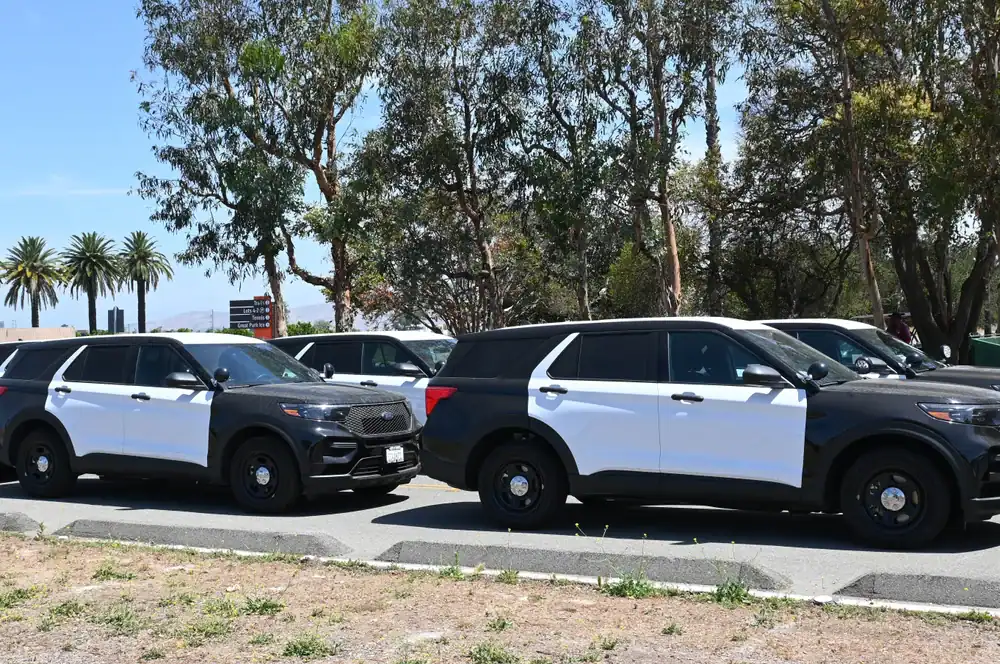
Ford police interceptor utility models come with heavy-duty alternators, reinforced suspension, stronger steel wheels, and cooling systems designed for idling with full electrical loads running. That’s not marketing talk—that’s the spec sheet. These are the same vehicles that made up over half of all police fleet sales in 2017 because departments needed something that wouldn’t quit.
When you buy a used cop car for sale, you’re getting a vehicle that’s been professionally maintained on a schedule most private owners would never follow. Oil changes every 3,000 miles. Brake inspections every service interval. Full documentation of every fluid change and repair, because fleet managers don’t skip steps.
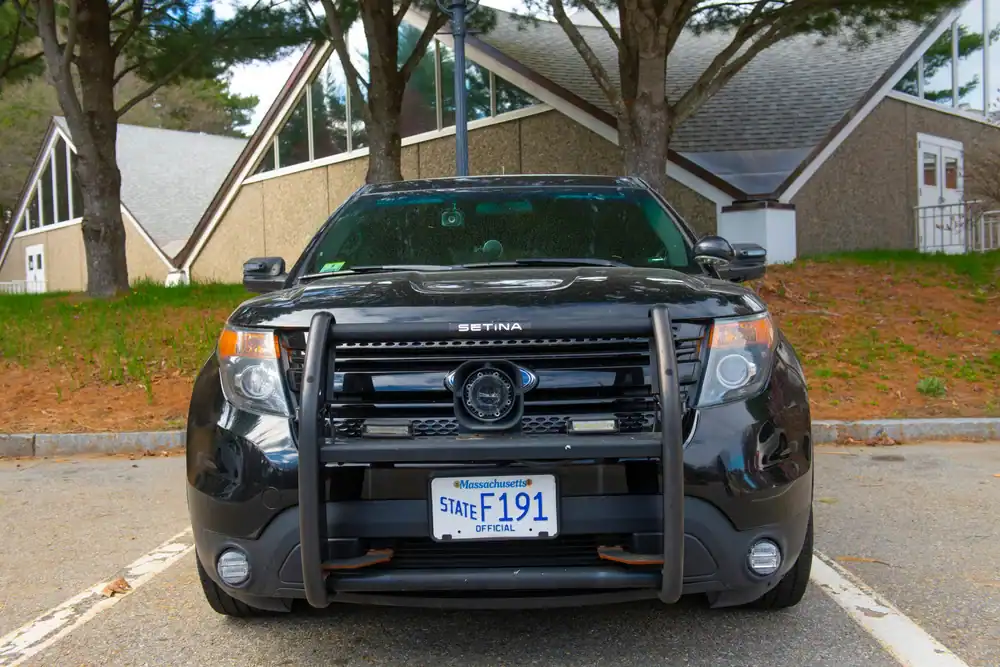
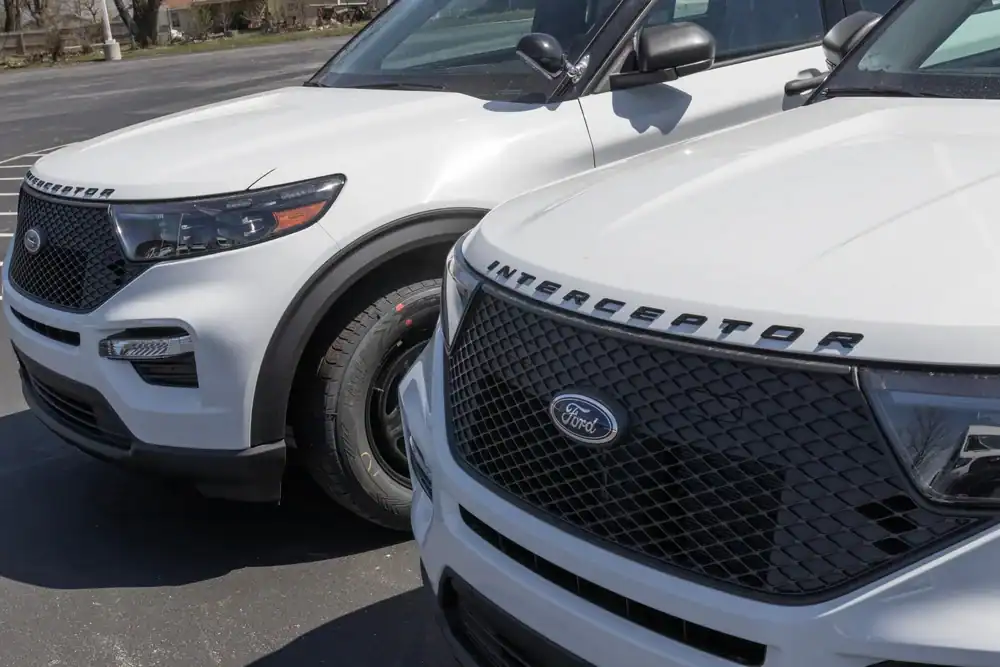
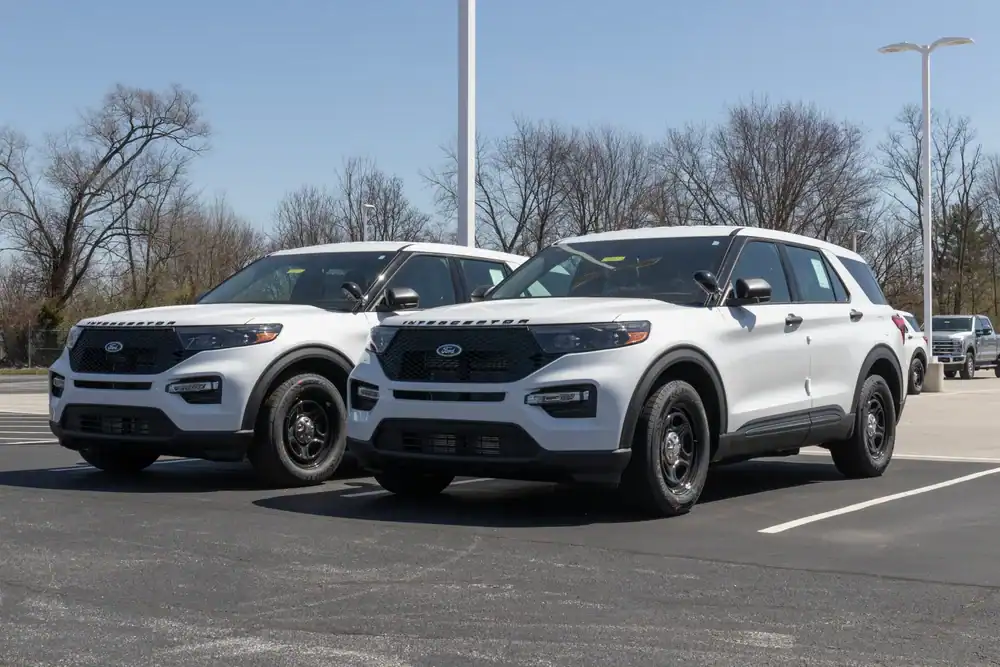
The Ford Explorer police interceptor for sale at our lot isn’t just cheaper than the retail version—it’s actually built tougher. You’re looking at the only pursuit-rated SUV certified to the 75-mph rear-impact standard. That’s not a selling point. That’s engineering.
State Surplus Auto Sales has spent over 22 years watching quality government vehicles go to auction—and making sure they end up with people who need reliable transportation, not another overpriced SUV payment.
Our owner spent over 25 years in law enforcement. He knows these vehicles because he worked in them. That’s why we focus exclusively on government fleet cars: one-owner vehicles with full maintenance records and no mystery miles.
We’re located in Newark, serving North Bergen and the surrounding Hudson County area. If you’ve been shopping around North Bergen, NJ for a ford interceptor for sale, you’ve probably seen the same cars listed at $4,000 more just because a dealership slapped their name on it. We buy direct from municipalities in bulk and pass the actual savings to you—not the imaginary ones.
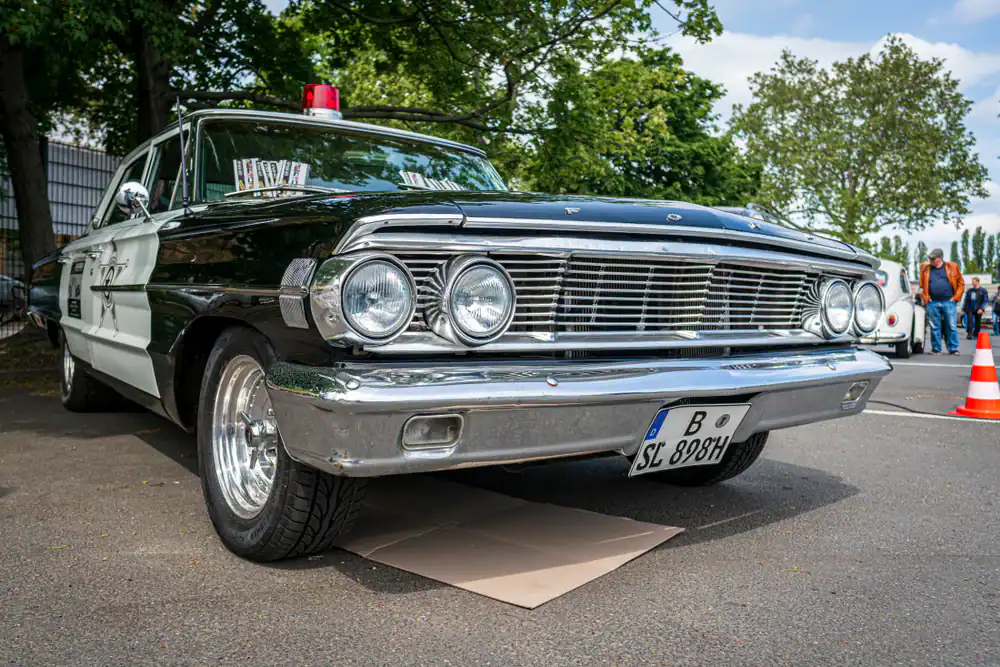
First, you look at what’s on the lot. We stock Ford police interceptor utility models, Crown Interceptors, and Explorer-based units depending on what’s coming out of service from the departments we work with. Inventory changes as fleet contracts turn over, so if you see something that fits, it’s worth moving on.
You’ll get the full vehicle history. That means maintenance logs, service records, and mileage documentation—not a Carfax report you’re supposed to trust. You’re seeing the same paperwork the fleet manager used.
Financing is available at 0% interest regardless of your credit score. That’s not a promotional rate—it’s how we do business. You’re not paying interest on a used vehicle that’s already depreciated, and we’re not making money on the back end of a loan.
Once you decide, the process is straightforward. No add-ons. No dealer fees tacked on at signing. The price you see is the price you pay. You leave with a vehicle that’s been through more rigorous maintenance than most privately owned cars ever see, and you’re paying thousands less than the retail equivalent.
Ready to get started?
When you’re looking at police impound cars for sale or any government fleet vehicle, you’re dealing with a different category of vehicle from the factory floor up. The Ford police interceptor utility isn’t just an Explorer with a spotlight—it’s a separately spec’d platform.
You’re getting all-wheel drive as standard on most units. Upgraded brakes with heavy-duty pads. Transmission and oil coolers designed for severe duty cycles. An electrical system built to handle light bars, radios, computers, and radar units all running simultaneously while the vehicle idles for hours. Most civilian SUVs aren’t built for that kind of load.
The 3.3L hybrid V6 puts out 318 horsepower. The 3.0L EcoBoost option hits 400 horsepower. Both are tuned for durability under high-load conditions, not just peak performance numbers. You’re looking at vehicles that were pursuit-rated, meaning they passed tests for acceleration, top speed, handling, and braking that no retail SUV has to meet.
In North Bergen, NJ, where you’re dealing with stop-and-go traffic into New York City and highway commutes that put miles on fast, you need something built to handle repetitive stress. These vehicles were designed for exactly that. They’ve already done the hardest part of their service life—now they’re available at a fraction of what a comparable retail SUV costs, and they’ve got more capability under the hood than most buyers will ever use.
Yes, and often more reliable than a similar-year civilian vehicle with the same mileage. Here’s why that’s true even though it sounds counterintuitive.
Police vehicles get used hard, but they also get maintained obsessively. Fleet maintenance schedules are strict. Oil changes happen every 3,000 miles. Brake inspections are regular. Fluid changes are documented. When something breaks, it gets fixed immediately—not when it’s convenient or affordable. You’re buying a vehicle that’s been maintained better than most people maintain their personal cars.
The components themselves are also built heavier. The alternator is bigger. The cooling system is more robust. The suspension is reinforced. These aren’t retail parts that got swapped in—they’re factory specs designed for police duty cycles. That means they’re overbuilt for normal driving. When you’re using a ford explorer police interceptor for commuting or family use, you’re using a vehicle that was designed for far more demanding conditions than you’ll ever put it through.
You’re typically looking at $5,000 to $10,000 less for a used police interceptor compared to a civilian Explorer with similar mileage and year. The nationwide average for a Ford police interceptor utility is around $13,978, with some units starting as low as $5,974 depending on mileage and condition.
Here’s the part most people miss: you’re not just saving money on the purchase price. You’re also avoiding the dealer fees that add another $4,000 on average at traditional dealerships. That’s documentation fees, “market adjustments,” prep fees, and all the other line items that show up at signing. We don’t do that. The price is the price.
The reason police interceptors cost less isn’t because they’re worse—it’s because they’re used, they have higher mileage in most cases, and the market doesn’t value them the same way even though the underlying vehicle is often better equipped. If you know what you’re looking at, that price gap is an opportunity. You’re getting a pursuit-rated, heavy-duty vehicle for the price of a base-model used SUV.
Yes. We offer 0% interest financing to all customers regardless of credit score. That’s not a conditional offer or a promotional rate—it’s how we structure deals.
Most dealerships make a significant portion of their profit on financing. They sell you the car at one price, then make money on the interest over the life of the loan. We don’t operate that way. You’re financing the vehicle at 0% interest, which means your monthly payment is just the purchase price divided by the number of months. No interest charges. No credit score markups.
This matters more than people realize, especially if you’re working with a tight budget. A $12,000 vehicle financed at 8% interest over 60 months costs you about $2,400 in interest alone. At 0%, you’re paying $12,000 total. That’s real money staying in your pocket, and it makes a used police interceptor even more affordable than the sticker price suggests.
The Ford police interceptor utility with the standard 3.3L hybrid V6 gets up to 16 MPG city and 21 MPG highway, with a combined rating around 18 MPG. The 3.0L EcoBoost V6 gets slightly less—closer to 15 city and 19 highway—because it’s tuned for performance.
That’s not amazing compared to a sedan, but it’s competitive with other midsize SUVs, and you’re getting all-wheel drive and significantly more power. The hybrid models reduce fuel consumption compared to the older V8 Crown Interceptors, which is why departments switched to the utility platform in the first place.
If you’re commuting from North Bergen into New York City or doing a lot of highway driving, the 21 MPG highway number is what you’ll see most often. City driving will pull that down, especially if you’re in stop-and-go traffic. But you’re also driving a 4,400-pound pursuit-rated SUV with 318+ horsepower. The fuel economy is reasonable for what the vehicle is.
One thing to keep in mind: these vehicles were designed for idling, which means the cooling and electrical systems are built to handle it. If you’re worried about fuel costs, the hybrid models are the better option. They’re also easier to find since most departments have been transitioning to hybrids over the last few years.
Not typically, and when they do, it’s usually stuff you’d expect from any used vehicle with similar mileage—not problems unique to police use. The most common issues are cosmetic or related to the interior, because police equipment leaves holes and wear patterns. Mechanically, these vehicles are often in better shape than civilian equivalents.
The reason is maintenance. Departments don’t skip oil changes. They don’t ignore warning lights. They don’t defer brake jobs because money’s tight. When a fleet vehicle needs something, it gets fixed, because a broken patrol car is a liability. You’re buying a vehicle that’s been maintained on a schedule most private owners would never follow.
That said, you should still look at the vehicle history and ask questions. How many miles? What kind of duty—highway patrol or city streets? Was it a detective’s car or a patrol unit? Those details matter. A highway patrol car with 100,000 miles is mostly highway miles at steady speeds. A city patrol car with the same mileage has been through more stop-and-go cycles and idling. Both can be good vehicles, but knowing the difference helps you understand what you’re buying.
At State Surplus Auto Sales, you’re getting the full maintenance records and vehicle history. You’re not guessing. You’re seeing the same documentation the department used, and you’re making a decision based on real information.
Because we buy directly from municipalities and pass the actual savings to you. Most dealerships buy police interceptors at auction, add $4,000+ in fees and markup, then sell them as “special” inventory. We skip that. We have relationships with departments across the region, we buy in bulk when fleet contracts turn over, and we price based on what we paid—not what the market will bear.
You’re also working with someone who knows these vehicles. Our owner spent over 25 years in law enforcement. He’s not reading specs off a sheet—he worked in these cars. When you ask about a specific unit, you’re getting answers from someone who understands what police duty actually does to a vehicle and what to look for.
We’ve been doing this for over 22 years in Newark, serving North Bergen and the surrounding area. We’re not a side business or a dealership that happens to have a few cop cars on the lot. This is what we do. You’re buying from a business built around government fleet vehicles, and that focus makes a difference in the quality of what’s available and how the process works.
No pressure. No dealer games. No fees that appear at signing. You’re looking at one-owner government vehicles with full maintenance records, and you’re paying below-market prices because we’re not trying to maximize profit on every unit. That’s the difference.
Other Services we provide in North Bergen