
Hear from Our Customers
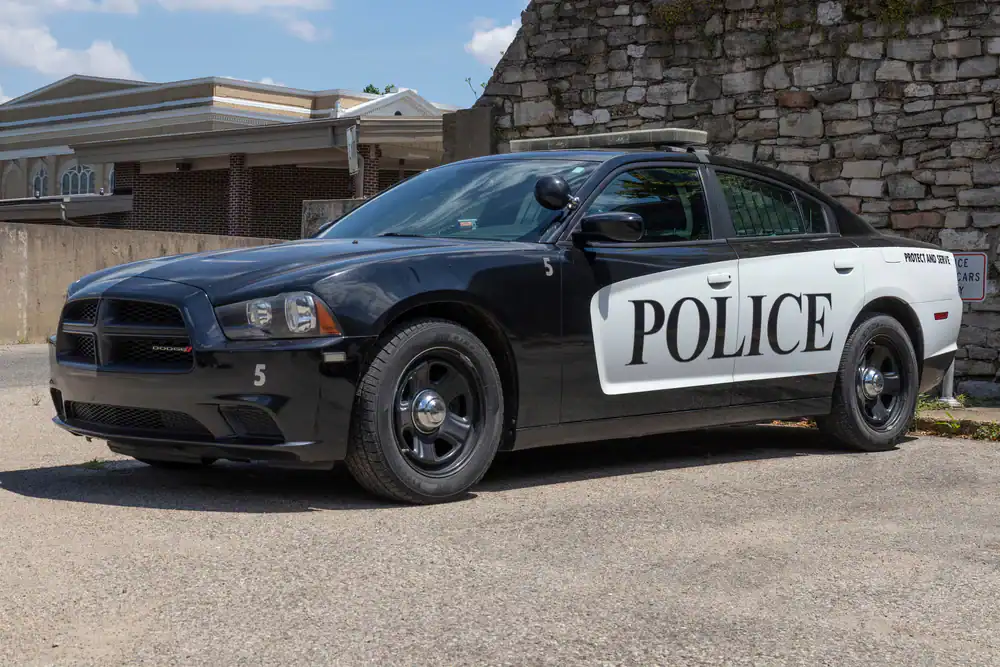
Most people don’t realize that a Ford police interceptor utility was built to handle pursuit speeds of 150 mph and daily abuse that would destroy a civilian vehicle in months. These aren’t hand-me-downs. They’re purpose-built machines with heavy-duty suspension, reinforced frames, and all-wheel drive as standard.
When you buy a police interceptor for sale from us, you’re getting a vehicle that was maintained on a strict government schedule. Oil changes happened on time. Inspections were mandatory. The difference between a patrol car and a neglected trade-in is night and day.
The pricing tells the story. Nationwide, used patrol cars for sale average around $15,400, but you’ll find options starting as low as $3,500. That’s not because something’s wrong with them. It’s because municipalities cycle out their fleets based on mileage caps, not actual condition. You benefit from that policy.
State Surplus Auto Sales was started by someone who spent over 25 years in law enforcement. That means we’ve driven these vehicles, seen how they’re maintained, and watched them get auctioned off while still having plenty of life left. We’re not guessing about quality—we know it firsthand.
We’re located at 833 Broadway in Newark and serve buyers throughout Franklin, NJ and the surrounding areas. Our business is built on direct relationships with government agencies, which means we source vehicles in bulk straight from the departments that used them. No middlemen. No mystery history.
Franklin drivers appreciate straightforward deals, and that’s what we offer. Zero interest financing regardless of credit score. Fair trade-in values. No pushy sales tactics. Just honest answers about what you’re buying.
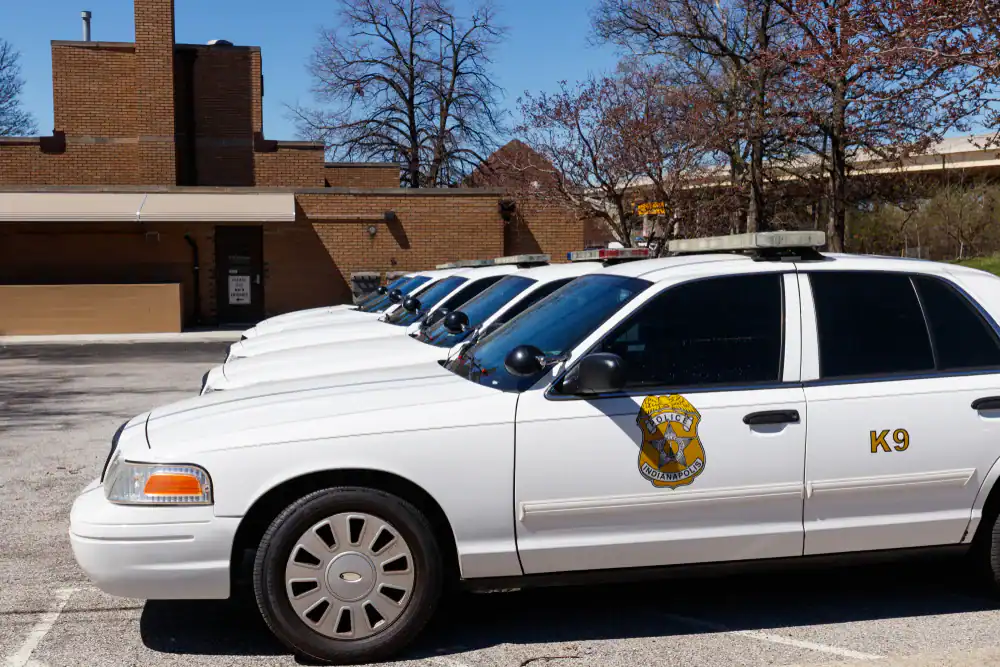
First, you browse our current inventory of used cop cars for sale. We carry Ford Crown Interceptors, Ford Police Interceptor Utilities, and other pursuit-rated vehicles. Model years typically range from 2013 to 2023, so you have options depending on your budget and preference.
Once you find something that fits, you can come see it in person. We’ll walk you through the vehicle’s history, show you the maintenance records, and answer any questions about how it was used. Most of our inventory comes from local jurisdictions, so we can tell you exactly where a vehicle served.
If you decide to move forward, we handle financing on-site. Zero interest financing is available regardless of your credit situation. We also accept trade-ins and work with you to structure a deal that makes sense. Once everything’s finalized, you drive off in a vehicle that was built to last and priced to sell.
Ready to get started?
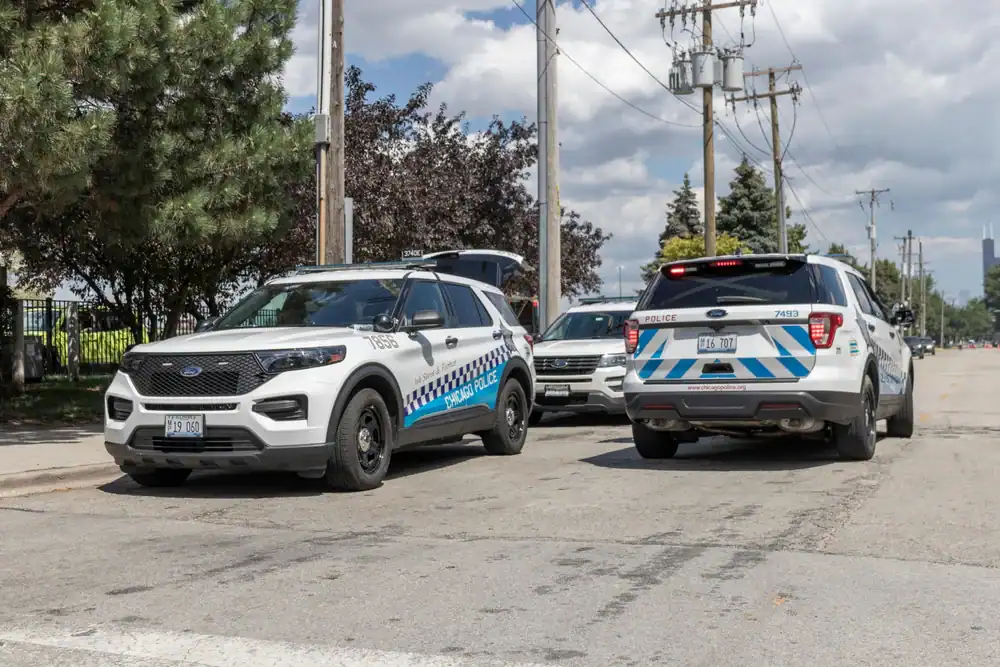
Our lot focuses exclusively on government and law enforcement vehicles. That means every Ford police interceptor utility, Crown Vic, and patrol SUV you see was originally purchased for official use. These vehicles come with upgraded alternators, heavy-duty cooling systems, and reinforced steel wheels—features you won’t find on civilian models.
Franklin, NJ sits in Sussex County, where winter weather and rural roads demand reliable all-wheel drive. That’s standard on most police interceptors we sell, along with traction control systems designed for high-speed pursuits. You’re not just getting a used vehicle. You’re getting one that was engineered for worst-case scenarios.
Mileage typically ranges from 120,000 to 160,000 miles, which sounds high until you realize these are highway miles with documented upkeep. Compare that to a civilian SUV with unknown history and 80,000 miles of stop-and-go city driving. We’d take the interceptor every time.
Ford dominates this market for a reason—they hold 63% of all police vehicle sales nationwide. When you buy a Ford interceptor for sale from us, you’re buying the same platform that departments trust with their officers’ lives. That’s not marketing. That’s just fact.
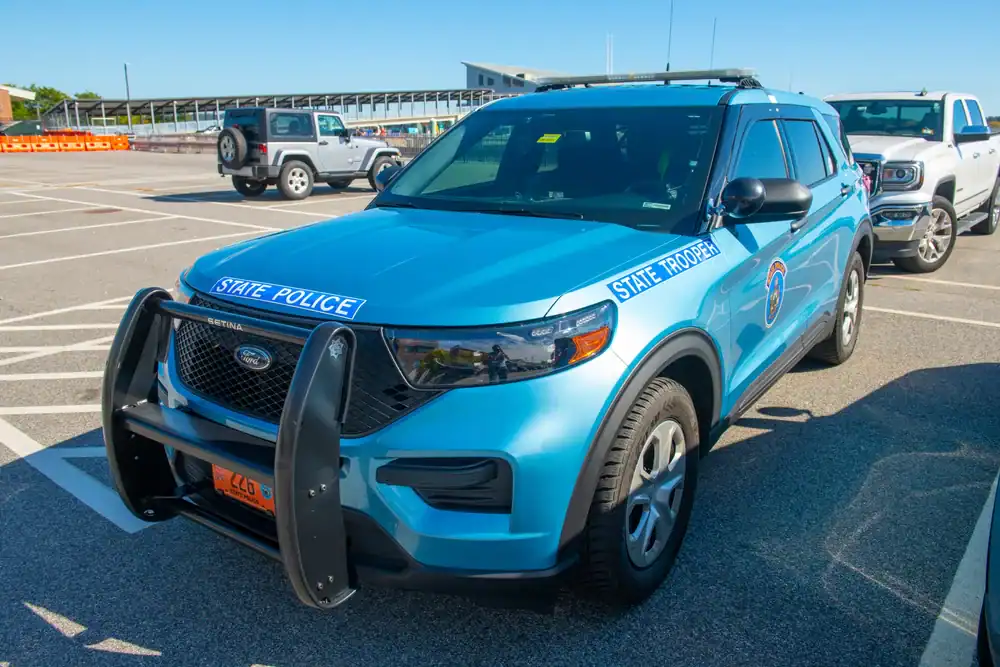
A police interceptor utility isn’t just a Ford Explorer with a light bar. It’s a completely different build. The engine is tuned for sustained high speeds, the transmission is calibrated for pursuit driving, and the suspension is reinforced to handle curbs, rough terrain, and high-speed cornering.
You also get a heavy-duty alternator that can power multiple electronics without draining the battery. The brakes are larger and designed for repeated hard stops. The cooling system is upgraded to prevent overheating during extended idling or high-speed chases. Even the seats are different—built for long shifts with gear belts and equipment.
Civilian models don’t include these upgrades because most drivers don’t need them. But if you’re towing heavy loads, driving in harsh conditions, or just want a vehicle that won’t quit, these features matter. The interceptor platform was built for performance and durability as absolute requirements, not optional add-ons.
Mileage alone doesn’t tell the story. A patrol car with 150,000 miles that was maintained every 3,000 miles and driven mostly on highways is in better shape than a civilian vehicle with 80,000 miles of unknown history and deferred oil changes.
Government fleets operate on strict schedules. Maintenance isn’t optional—it’s policy. Every service is documented, and vehicles are pulled from duty if they fail inspections. When you buy from us, you get access to those records. You can see exactly what was done and when.
The other factor is how the vehicle was used. Most patrol cars spend their time idling or cruising highways, not sitting in traffic or making short trips that never let the engine reach operating temperature. That’s actually easier on the drivetrain than typical commuter use. These vehicles were built to run, and they do it well.
Municipalities sell their fleets based on policy, not condition. Most departments have mileage caps—usually between 100,000 and 120,000 miles—that trigger automatic retirement. The vehicle might be running perfectly, but policy says it’s time to rotate out. That creates opportunity for buyers who understand what they’re getting.
There’s also a perception issue. Some buyers see “former police vehicle” and assume it was beaten up or driven hard. That keeps demand lower than it should be, which keeps prices down. But anyone who’s actually worked with these vehicles knows they’re maintained better than most civilian cars ever will be.
The cosmetic factor plays a role too. You might see holes in the dash from removed equipment or basic cloth interiors instead of leather. If you care more about how a vehicle performs than how it looks, you’re getting incredible value. Pricing starts as low as $3,500 for older models, with newer Ford police interceptor utilities averaging around $15,400.
Yes. We offer zero interest financing regardless of credit score. That’s not a promotional rate or a limited-time offer—it’s how we do business. We’d rather help someone get into a reliable vehicle than turn them away over a credit report.
The process is straightforward. You pick the vehicle, we discuss your budget, and we structure payments that work for you. No hidden fees. No interest charges. No games with balloon payments or prepayment penalties. You know exactly what you’re paying from day one.
We also accept trade-ins, which can reduce what you need to finance. Even if your current vehicle isn’t worth much, we’ll work with you to make the numbers fit. Our goal is to get you into a quality used cop car without the stress and runaround you’d get at a traditional dealership.
Start with the maintenance records. Any reputable seller should provide documentation showing regular service intervals. Look for consistent oil changes, brake inspections, and fluid replacements. If the records are incomplete or missing, that’s a red flag.
Check the vehicle’s history to see which department used it and for what purpose. Highway patrol vehicles tend to have easier lives than city units that spent years navigating tight streets and constant stops. We source most of our inventory from local jurisdictions, so we can tell you exactly how each vehicle was used.
Inspect the cosmetic condition, but don’t let minor issues scare you off. Holes from removed equipment can be patched. Worn interiors can be replaced. What matters more is the mechanical condition—engine performance, transmission shifts, suspension feel, and brake response. These are the areas where police interceptors shine, because they were built to handle abuse that would destroy a civilian vehicle.
It depends on the model, but most Ford police interceptor utilities get around 16 MPG city and 21 MPG highway, with a combined rating of about 18 MPG. That’s comparable to civilian SUVs of the same size, despite having more powerful engines and heavier-duty components.
The trade-off is performance. You’re getting a vehicle that can accelerate from 0 to 60 mph in under six seconds and reach top speeds of 150 mph. Civilian models with similar fuel economy can’t match that capability. If you need power for towing, merging, or just peace of mind in emergency situations, the slight difference in fuel costs is worth it.
Keep in mind that these vehicles were designed for all-day use. Departments wouldn’t buy them if fuel costs were prohibitive. The engines are built for efficiency under load, and the all-wheel drive systems are engineered to engage only when needed. You’re not sacrificing economy for performance—you’re getting both in a package that was tested under real-world conditions most civilian vehicles will never face.
Other Services we provide in Franklin