
Hear from Our Customers
You’re not buying a regular used car. Police interceptors are built different from the factory—stronger engines, upgraded cooling systems, reinforced suspension, and heavy-duty brakes designed to handle high-demand use.
These vehicles were maintained on strict government fleet schedules. Oil changes, brake checks, tire rotations—all documented, all done on time. You’re getting a vehicle that was kept running because it had to be.
And here’s what matters after you drive it off the lot: you own something that holds its value. Used cop cars for sale have a dedicated buyer market. People know what they’re worth. That Ford Police Interceptor Utility you’re looking at today won’t depreciate like a typical SUV because it was never typical to begin with.
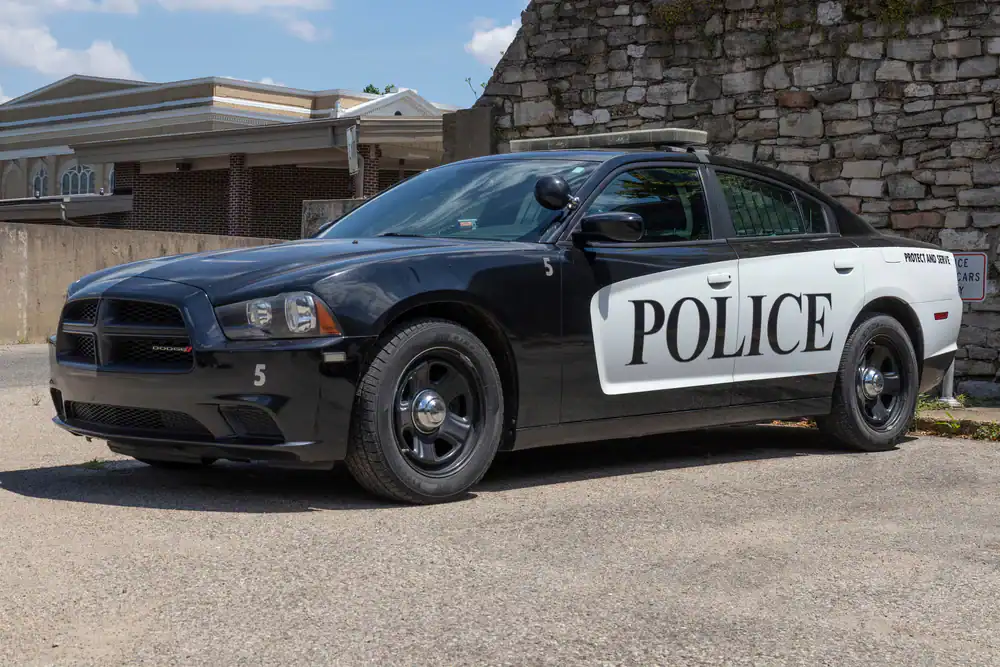
We don’t sell everything. We sell used patrol cars for sale—Ford Interceptors, Dodge Chargers, Chevy Tahoes—all former law enforcement. That focus means we know these vehicles inside and out.
We’re based in Middletown, NY, serving Orange County and the Hudson Valley. Our inventory comes directly from government surplus programs, so you’re buying vehicles with verified history and documented maintenance records. No guessing. No mystery mileage.
You’ll find us straightforward. We’re not here to oversell you or play games with pricing. You want a cop car for sale, we’ve got it in stock, and we’ll walk you through exactly what you’re looking at.
First, you browse our current inventory. We list every Ford Police Interceptor Utility, every Charger, every Tahoe we have available. You’ll see the year, mileage, and what agency it came from.
When something catches your eye, come see it in person at our Middletown location. You can inspect it, ask questions, and take it for a test drive. We’ll show you the maintenance records and walk you through any modifications or equipment removal that was done after the vehicle left service.
Once you’re ready, we handle the paperwork and get you on the road. No drawn-out back-and-forth. You’re buying a vehicle that’s ready to drive, and we make sure you leave with everything you need to register and insure it.
Ready to get started?
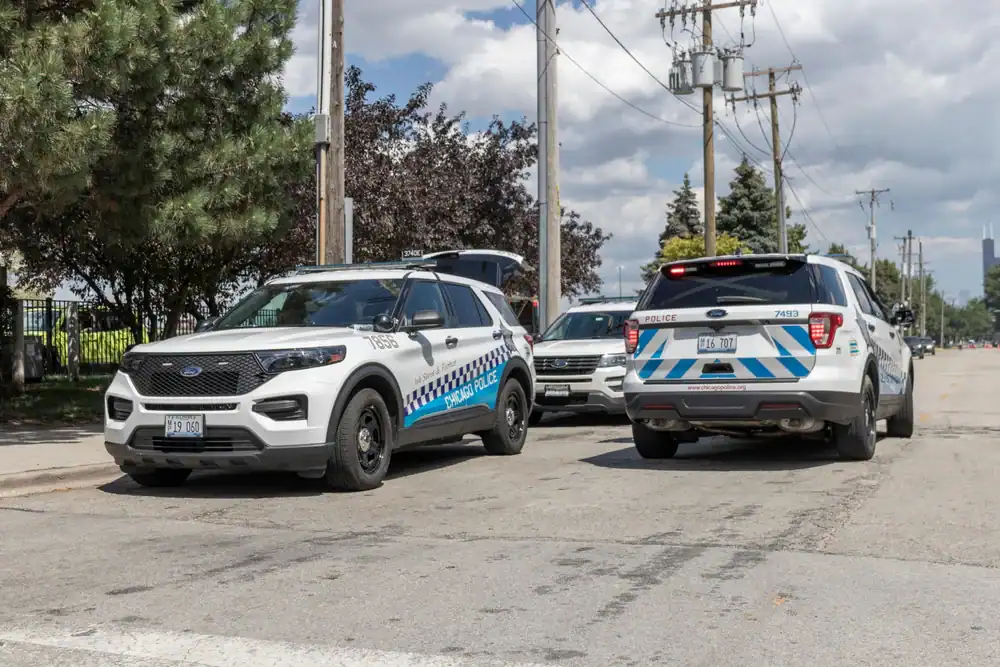
Our inventory rotates based on what becomes available through New York State surplus auctions and government fleet sales. Right now, you’ll typically find Ford Police Interceptor Utility models—the Explorer-based SUVs that replaced the Crown Victoria as the go-to patrol vehicle across most departments.
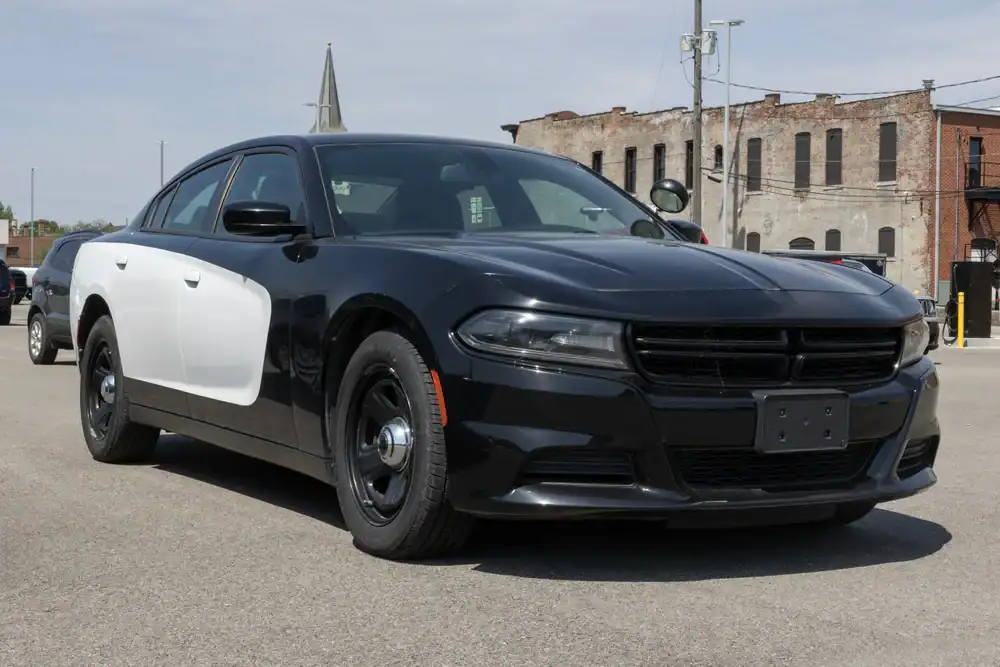
You’ll also see Dodge Charger Pursuit models, especially the all-wheel-drive versions that were popular with state and county agencies in our region. Chevy Tahoe police packages show up regularly too, particularly the ones used by sheriff’s departments and highway patrol units.
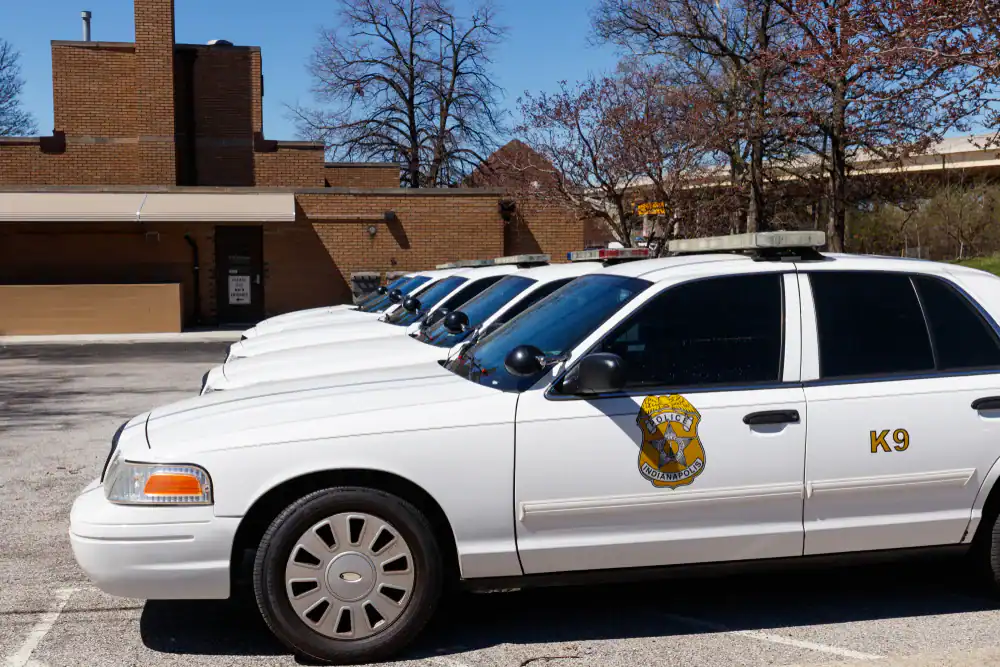
In the Middletown area, demand runs high for these vehicles. Local security companies use them for patrol work. Contractors like the cargo space and towing capacity. Families buy them because they’re reliable, spacious, and cost less than a comparable civilian SUV with the same mileage. And yes, enthusiasts collect them—especially the Crown Vic interceptors and the Chargers.
Every vehicle gets a full inspection before we list it. We don’t sell anything that’s not road-ready. What you see in our lot is what’s available to drive home.
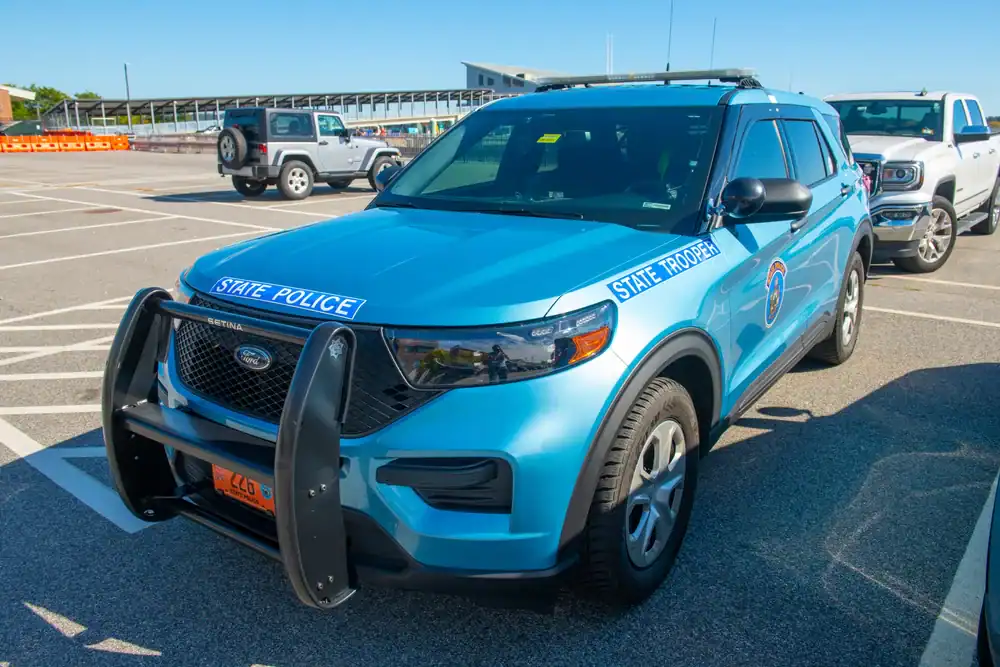
A Ford Police Interceptor Utility isn’t just a rebadged Explorer. Ford builds these on a separate production line with different specs from the factory.
The engine options are more powerful—most come with the 3.0L EcoBoost or the 3.3L hybrid powertrain designed for pursuit use. The cooling system is upgraded to handle idling for hours with electronics running. The electrical system has a higher output alternator to support lights, radios, computers, and other equipment.
Suspension components are heavy-duty. Brakes are larger. The calibration for the transmission, stability control, and all-wheel-drive system is different—tuned for performance driving, not comfort. You’re also getting steel wheels rated for higher speeds and more abuse than the alloy wheels on civilian models.
Most used cop cars for sale have between 60,000 and 120,000 miles. That might sound high compared to a typical used car, but context matters.
Police vehicles rack up miles differently. A lot of that mileage is highway patrol—steady, consistent driving at moderate speeds. Even city patrol vehicles spend significant time idling, which doesn’t add miles but does add engine hours. Government fleets track both, and we can show you those records.
What matters more than the odometer is how the vehicle was maintained. These cars were serviced every 3,000 to 5,000 miles like clockwork. They were inspected constantly. Any issue got fixed immediately because departments can’t afford downtime. That’s a maintenance standard most civilian vehicles never see, even with lower mileage.
Yes. All emergency equipment, radios, computers, and law enforcement-specific gear are removed before these vehicles enter the surplus market. You won’t get lights, sirens, or any equipment restricted to official use.
What typically remains are the heavy-duty components built into the vehicle—the upgraded alternator, the reinforced seats, the partition mounting points, sometimes the spotlight. These don’t need to be removed because they’re not restricted, and in many cases, they’re useful.
Some buyers actually want the partition mounts left in for cargo separation. Others appreciate the column-mounted spotlight for property checks or rural driving. We’ll show you exactly what’s been removed and what remains so there are no surprises. If something was modified during the removal process—like a center console hole where a computer mount was—we’ll point that out upfront.
Yes, but it depends on your lender. Some banks and credit unions treat former police vehicles the same as any used car. Others have restrictions or won’t finance them at all.
The vehicles that finance easiest are the newer models—2015 and up—with reasonable mileage and clean titles. A Ford Police Interceptor Utility from 2018 with 80,000 miles will get approved through most lenders without issue. Older Crown Victorias or higher-mileage units might require a different approach, like a personal loan instead of an auto loan.
We recommend calling your bank or credit union before you visit. Ask specifically about former law enforcement vehicles. If they say no, we can point you toward lenders in the area who regularly work with police car sales. Cash buyers obviously have the easiest path, but financing is absolutely possible if you work with the right institution.
It depends on the model. The Ford Crown Interceptor—the old Crown Victoria—gets worse mileage than most modern cars. You’re looking at 16-18 mpg combined. It’s a V8 with a body style from the early 2000s. Fuel economy wasn’t the priority.
The Ford Police Interceptor Utility with the EcoBoost engine does better—around 18-20 mpg combined, sometimes better on the highway. The hybrid models can hit 24 mpg combined if you’re not driving aggressively. That’s competitive with civilian SUVs of the same size and weight.
Dodge Charger Pursuit models with the V6 get decent mileage—low 20s combined. The V8 Hemi models drop into the high teens. Chevy Tahoe police packages are similar to civilian Tahoes, usually 15-18 mpg combined depending on the engine. You’re not buying these for fuel economy. You’re buying them for performance, space, and durability. The mileage is what it is, but it’s not wildly different from comparable civilian vehicles in the same class.
Government auctions can save you money if you know exactly what you’re doing. But most people don’t. You’re bidding sight-unseen or with very limited inspection time. You don’t get to test drive. You don’t get detailed history. And once you win, the vehicle is yours—no returns, no recourse if something’s wrong.
When you buy from us, you’re getting vehicles we’ve already inspected and verified. You can test drive them. You can ask questions. You can see the maintenance records and know what you’re buying before you commit.
We also handle the title transfer and registration process, which can get complicated with government surplus vehicles if you’ve never done it before. You’re paying slightly more than auction price, but you’re getting transparency, support, and the ability to walk away if the vehicle isn’t what you expected. For most buyers, that’s worth it.
Other Services we provide in Middletown