
Hear from Our Customers
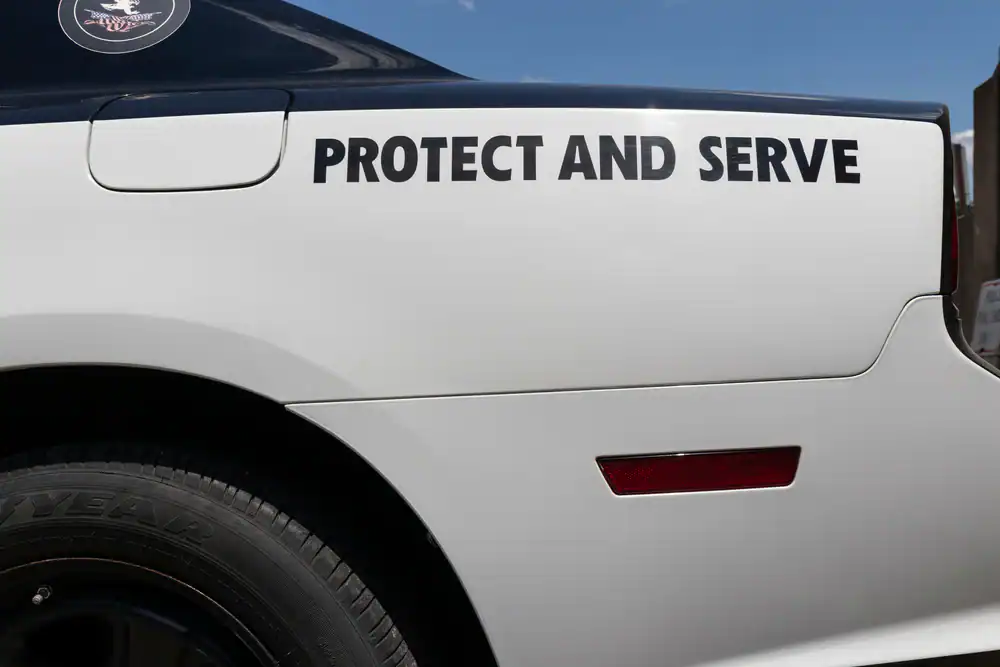
You’re looking at vehicles that were built different from the start. Ford Police Interceptors and similar models come with heavy-duty components that civilian versions don’t get—better cooling systems, reinforced suspension, more powerful alternators.
These aren’t luxury cars. They’re work vehicles that were maintained on strict schedules because departments needed them running every single day. That means you’re buying something that was built to handle stress and kept in operation through regular upkeep.
The price difference is real. You’ll find used police cars for sale at thousands below what you’d pay for a comparable civilian model with similar mileage. That’s not because something’s wrong with them. It’s because departments retire vehicles on schedule, and the market for pre owned police cars is smaller than the general used car market.
What you’re getting is a vehicle designed for durability, sold at a price that reflects fleet liquidation rather than retail positioning.
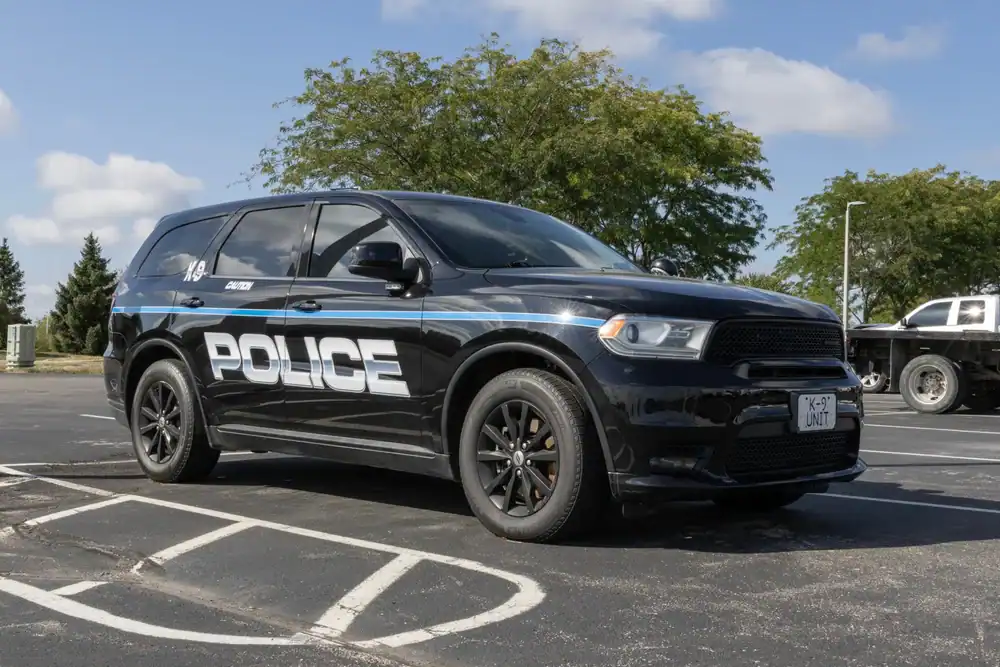
State Surplus Auto Sales focuses exclusively on used police cruisers for sale. We’re not a general used car lot trying to move whatever comes through the door. Our entire inventory consists of retired law enforcement vehicles.
That narrow focus means we know these vehicles inside and out. We understand what to look for, what matters, and what doesn’t. When you’re shopping for a cop car for sale in Middletown, NY, you’re working with people who deal with these specific vehicles every day.
We source our inventory from New York State surplus auctions and law enforcement agencies throughout the region. Middletown’s location gives you access to vehicles from multiple departments without having to navigate government auction sites yourself or compete with dealers buying in bulk.
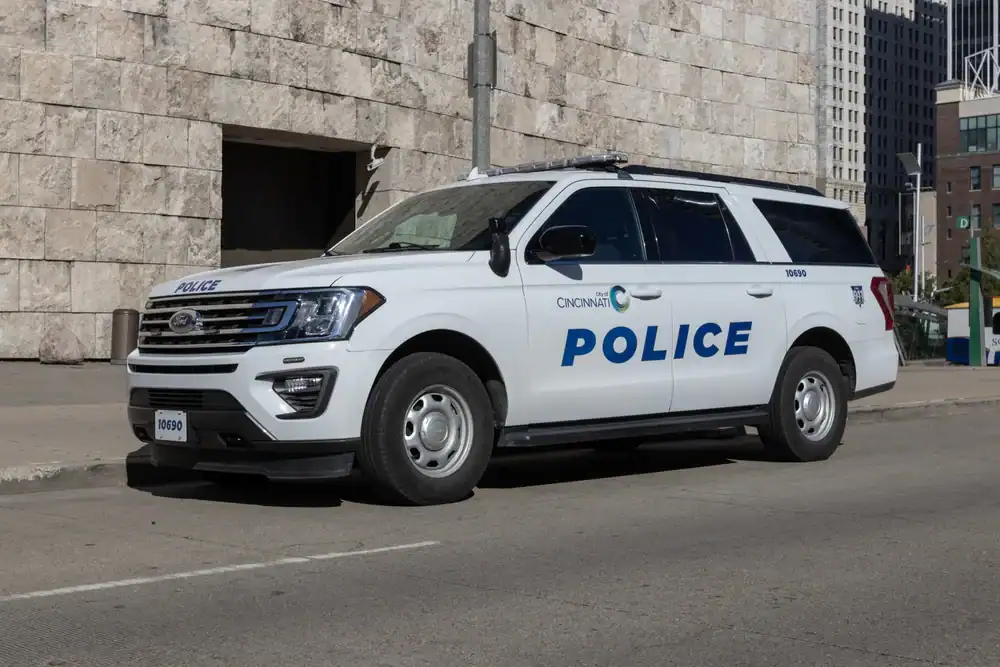
You start by looking at what’s currently in our inventory. Our lot rotates regularly as we acquire new vehicles from surplus auctions and as customers purchase what we have available.
Each vehicle comes with information about its previous use, mileage, and general condition. You’ll know what you’re looking at before you show up. No surprises about holes from removed equipment or wear from patrol use—that’s all part of buying a retired police vehicle, and we’re upfront about it.
Once you find something that fits your budget and needs, you can come see it in person. You’ll want to check the interior condition, test the engine, and get a feel for how it drives. These vehicles have been used hard, but they’ve also been maintained consistently.
If you decide to move forward, the buying process works like any used vehicle purchase. You’re getting a vehicle that was built tougher than its civilian equivalent, maintained on a schedule most private owners never follow, and priced well below retail market rates.
Ready to get started?
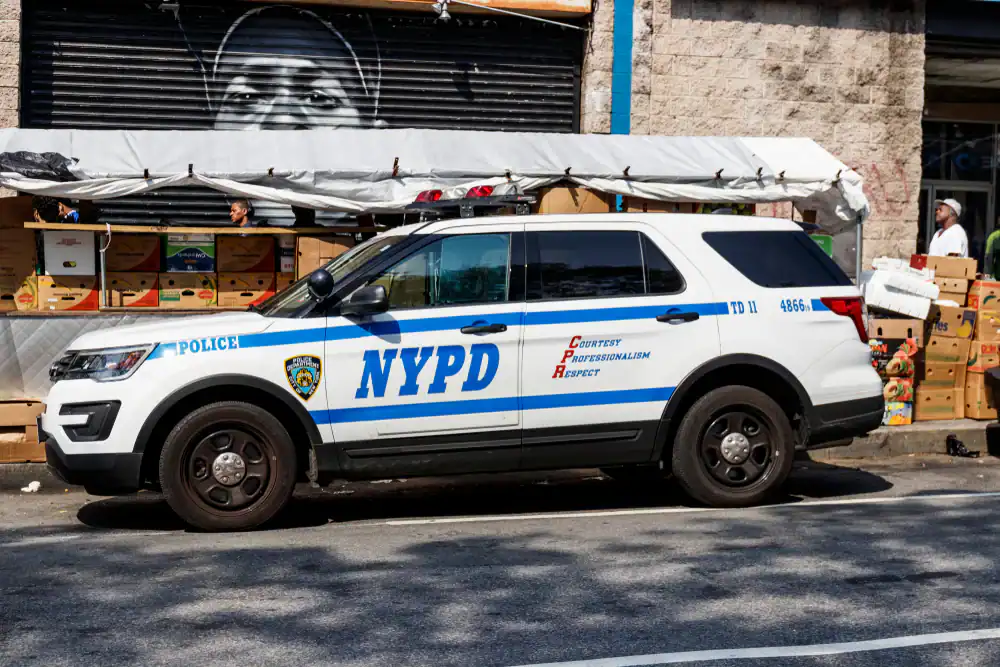
Our inventory focuses heavily on Ford Police Interceptors—both the sedan and utility models. These are the most common police vehicles in New York State, which means parts are easy to find and any mechanic who works on Fords can handle them.
You’ll see vehicles with mileage typically ranging from 80,000 to 150,000 miles. That sounds high compared to civilian vehicles, but remember these engines were built for it. Ford’s police-spec powertrains are designed to handle extended idle time and high-stress driving that would destroy a standard engine.
The Middletown area has a strong market for these vehicles because buyers here understand value. You’re not paying for leather seats or premium sound systems. You’re paying for a vehicle with a heavy-duty transmission, upgraded cooling, reinforced suspension, and an engine built to run hard.
Pricing varies based on model year, mileage, and condition, but you’re consistently looking at vehicles priced thousands below comparable civilian models. A used Ford Police Interceptor Utility with 100,000 miles will cost you significantly less than a civilian Explorer with the same mileage—even though the police version was built tougher from the factory.
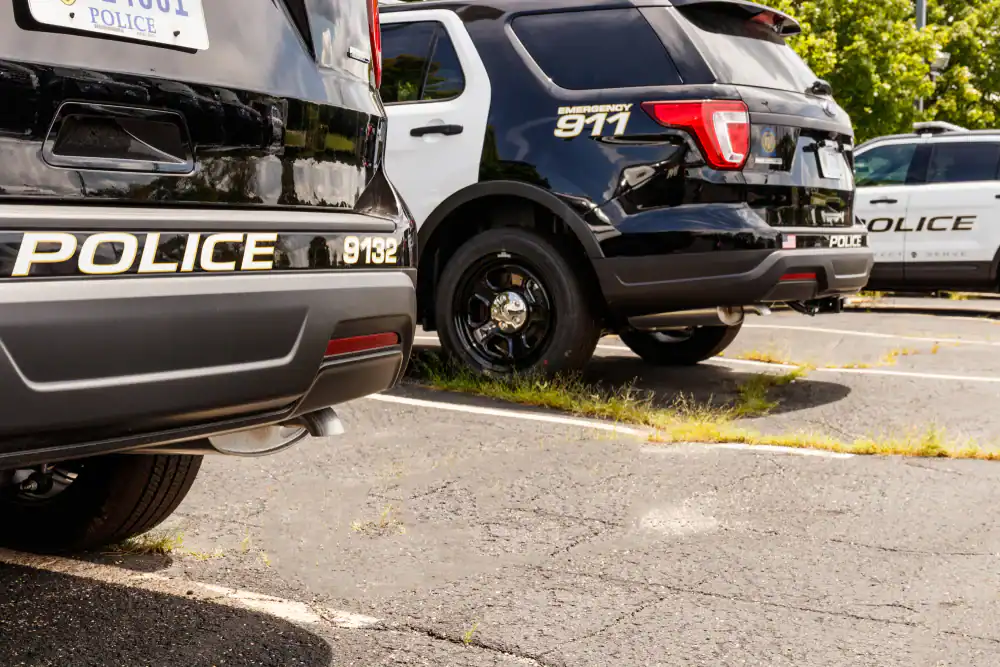
You should expect a vehicle that shows its work history. The exterior might have scratches from decal removal or small holes from light bar mounts. The interior will likely have holes in the dash or center console from removed equipment like radios and computers.
These aren’t cosmetic show cars. They’re functional vehicles that spent years in active service. But here’s what matters more than appearance: the mechanical components were maintained on strict schedules. Departments can’t afford downtime, so oil changes, brake work, and fluid services happened like clockwork.
The high mileage is real, but so is the maintenance history. You’re buying a vehicle that was used hard and cared for consistently. That’s a better combination than a low-mileage civilian car that might have been neglected by an owner who skipped services.
No. That’s actually one of the biggest advantages of buying a Ford Police Interceptor or similar common police vehicle.
These are based on civilian platforms—Crown Victorias, Tauruses, Explorers. The police versions have upgraded components, but the basic parts are the same. Any auto parts store in Middletown carries what you need for routine work. Oil filters, brake pads, spark plugs—all standard stuff.
Even the upgraded police-spec parts aren’t exotic. Heavy-duty alternators and transmission coolers are available through Ford parts departments or aftermarket suppliers. You’re not dealing with rare European car parts or discontinued models. These vehicles were produced in huge numbers for law enforcement, which means the parts supply chain is robust.
Most insurance companies will cover retired police vehicles without major problems, but you should call your insurer before you buy to confirm their specific policy.
Some insurers treat these as modified vehicles, which can affect rates. Others insure them as standard used cars based on the base model. It depends on the company and sometimes on how the vehicle is titled after police use.
The key is being upfront with your insurance agent. Tell them you’re looking at a retired police vehicle, give them the VIN, and ask for a quote before you commit to buying. Most buyers in the Middletown area don’t report major insurance obstacles, but it’s worth verifying with your specific carrier. Getting that confirmation beforehand saves you from surprises after purchase.
That depends entirely on how you use it and whether you keep up with ongoing needs. The vehicles are retired from police service based on department schedules, not because they’re done.
Many departments retire vehicles at 100,000-120,000 miles regardless of condition. The Ford 4.6L engines in Crown Victorias are known to exceed 300,000 miles with proper care. The newer EcoBoost engines in Police Interceptor Utilities are built to similar standards.
What you’re buying is a vehicle that’s middle-aged in terms of mileage but was maintained better than most civilian vehicles ever are. If you stay on top of oil changes, address issues when they come up, and don’t ignore warning signs, you can get years of use out of a retired police car. Plenty of buyers use these as daily drivers, work vehicles, or second cars for their families without major problems.
The pricing reflects fleet liquidation economics, not vehicle quality. When a police department retires vehicles, they’re selling in bulk through surplus auctions. They’re not trying to maximize profit on each individual car—they’re clearing out inventory to make room for new fleet purchases.
The market for used police cruisers is also smaller than the general used car market. Some buyers don’t want a vehicle with visible police history. Others worry about high mileage or idle time. That reduced demand means lower prices.
But here’s what you need to understand: the lower price doesn’t mean lower quality in terms of how the vehicle was built or maintained. You’re getting a discount because of market perception and fleet sales dynamics, not because something is fundamentally wrong with the vehicle. That’s why buyers who understand what they’re looking at see these as value opportunities rather than problem purchases.
Our inventory changes regularly based on what becomes available through New York State surplus auctions and regional law enforcement agencies, but Ford Police Interceptors make up the majority of what we carry.
You’ll most commonly see Ford Police Interceptor Sedans (based on the Taurus) and Ford Police Interceptor Utilities (based on the Explorer). Occasionally we get Dodge Chargers or Chevrolet Tahoes, but Ford dominates law enforcement fleets in New York, so that’s what you’ll see most often.
If you’re looking for something specific, your best approach is to check our current inventory and then follow up regularly. We acquire new vehicles frequently, and what’s available this week might be completely different next month. The advantage of our focus on police vehicles is that we’re consistently bringing in this specific type of inventory rather than occasionally having one or two police cars mixed in with general used vehicles.
Other Services we provide in Middletown