
Hear from Our Customers
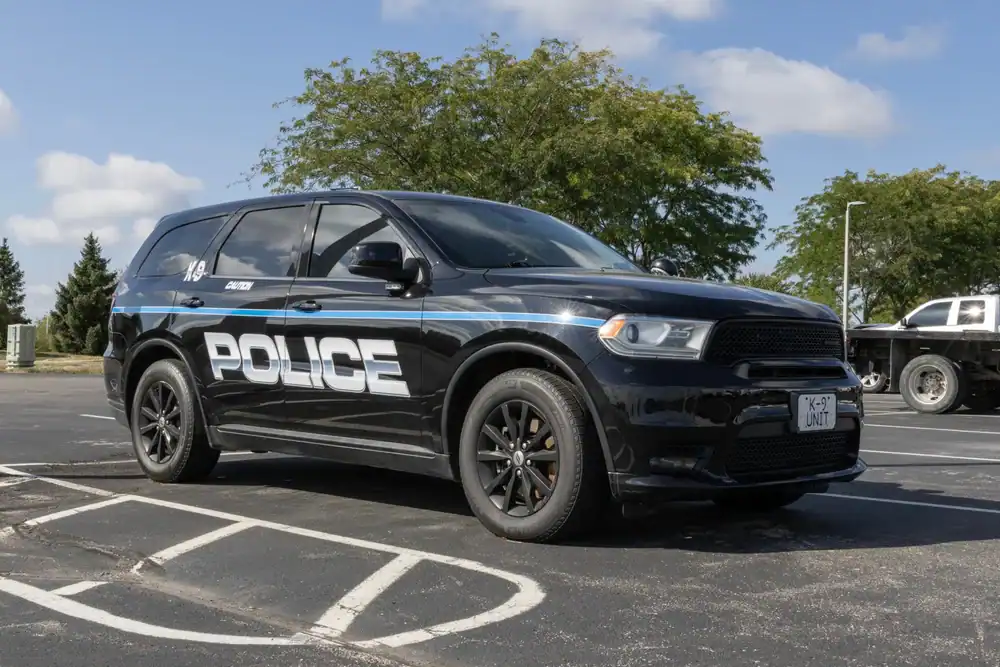
You’re looking at a vehicle that was built different from the start. Not just a standard sedan with a badge slapped on it. These are purpose-engineered machines designed to handle high-stress driving, long shifts, and constant use without falling apart.
The price difference alone makes sense. Most used police cars for sale run between $5,000 and $15,000. Comparable civilian vehicles? You’re starting above $20,000, often much higher. That’s real money back in your pocket.
But it’s not just about being cheap. You’re getting a car with heavy-duty components—upgraded alternator, better cooling systems, reinforced suspension. These vehicles were maintained on strict schedules by departments that couldn’t afford breakdowns. Oil changes, brake inspections, fluid checks—all logged, all done on time.
You get space, too. Larger trunks for hauling gear. More legroom than you’d expect. And performance that civilian models don’t touch. Ford Police Interceptors, for example, come with engines pushing 400 horsepower. That’s not just for show. It’s for getting the job done when it matters.
State Surplus Auto Sales has sold over 35,000 vehicles in 33 years. We’re not new to this. We know what makes a good used cop car, and we know what doesn’t.
Central Islip and the surrounding Suffolk County area have plenty of dealerships. But not many specialize in pre owned police cars for sale. We do. That’s our lane, and we stay in it.
You’re not walking into a lot full of random trade-ins. Every vehicle here is a retired police interceptor or law enforcement vehicle. We know their history. We know how they were used. And we’re upfront about what you’re getting—mileage, condition, features. No surprises.
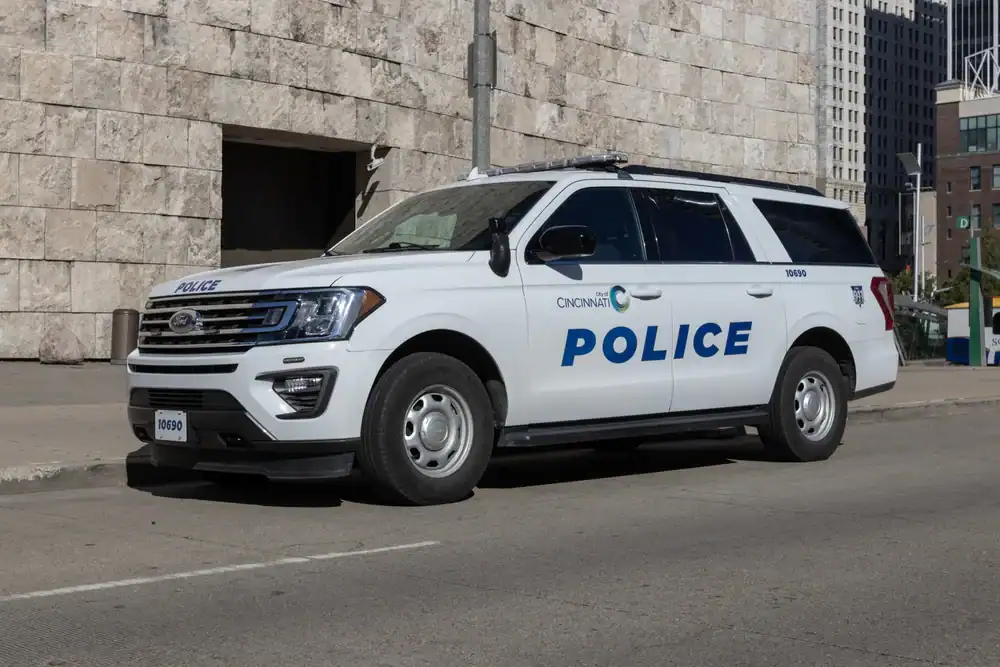
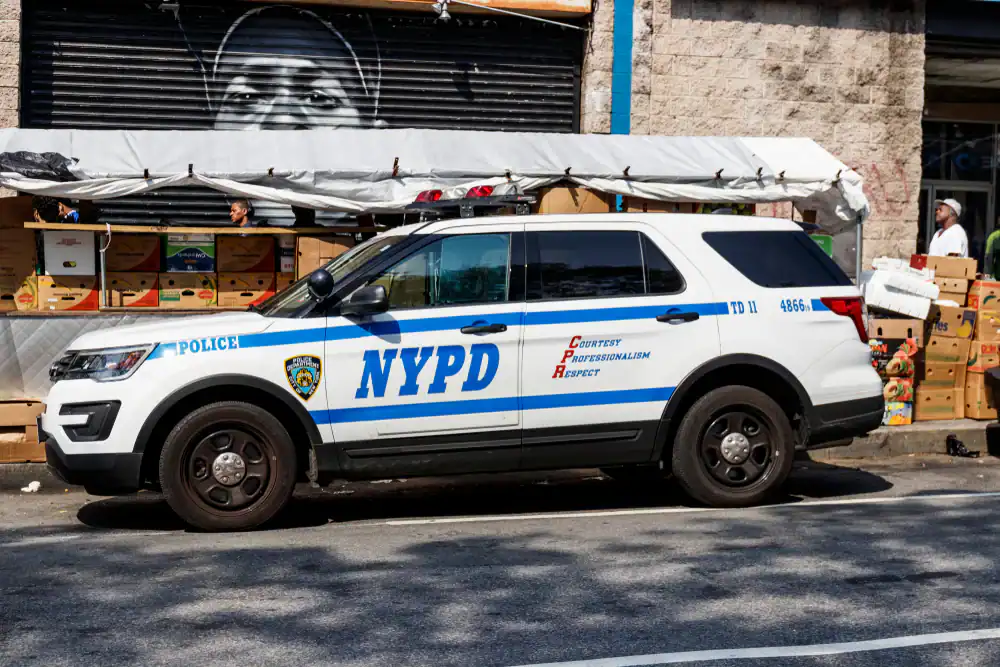
Start by browsing our current inventory. We carry Ford Police Interceptors—both the sedan and utility models—plus Dodge Chargers and other retired patrol vehicles. Each listing shows the year, mileage, features, and price.
Once you find something that fits, come see it in person. Check the interior. Pop the hood. Take it for a test drive. You’ll feel the difference in how these cars handle compared to standard consumer vehicles. The steering is tighter. The brakes are more responsive. Everything is built to perform under pressure.
When you’re ready, we handle the paperwork. Title transfer, registration, all of it. You’re not dealing with an auction site or a private seller who may or may not have the full story. You’re buying from a dealership that’s been doing this since 1991.
Most buyers leave the same day with keys in hand. No waiting weeks for delivery. No haggling over hidden fees. You see the price, you know what you’re paying, and you drive off the lot.
Ready to get started?
Every used police cruiser for sale in our inventory comes with the features that made it a law enforcement vehicle in the first place. That means heavy-duty brakes, upgraded suspension, reinforced frames, and powerful engines. Most still have the police-grade alternators and cooling systems that kept them running during long shifts.
You’re also getting vehicles that were maintained by professionals. Police departments don’t skip oil changes. They don’t ignore warning lights. These cars were serviced on schedules stricter than most civilian drivers follow. Many had parts replaced before they even showed wear—new transmissions, fresh tires, updated engines.
In Central Islip and across Long Island, buyers are looking for value without sacrificing reliability. That’s exactly what a retired police interceptor delivers. You’re not gambling on a car with an unknown past. You’re buying a vehicle that had to meet professional standards every single day it was in service.
Ford Police Interceptors dominate our inventory because they dominate law enforcement fleets nationwide. They’re tested harder than civilian vehicles. They’re built to handle pursuit driving, constant idling, and rough conditions. When a department retires one, it’s usually because of mileage caps or fleet rotation—not because the vehicle is done.
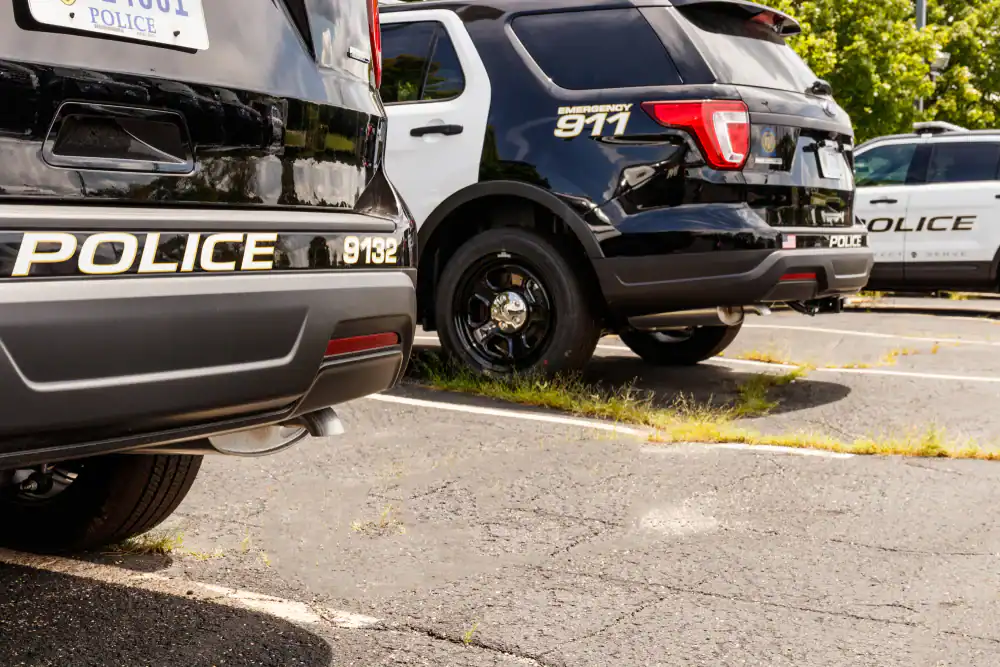
Yes, but you need to understand what that mileage actually represents. Police vehicles rack up miles differently than civilian cars. A lot of those miles are idling hours—sitting in parking lots with the engine running, not highway driving.
That said, high mileage on a police car isn’t the red flag it would be on a regular used car. These vehicles were maintained constantly. Departments follow strict service schedules because a breakdown isn’t just an inconvenience—it’s a safety issue. Oil changes happened on time. Brake pads were replaced before they wore out. Fluids were checked regularly.
Many retired police cruisers also have newer components installed before they’re sold. Departments often replace transmissions, engines, or tires as part of their fleet maintenance. So even if the odometer shows 100,000 miles, key parts might have far less wear. You’re getting a vehicle that was built tough and kept that way.
Most used police cars for sale run between $5,000 and $15,000, depending on the year, mileage, and condition. That’s significantly less than what you’d pay for a comparable civilian vehicle, which typically starts above $20,000.
The savings come from the fact that these are fleet vehicles being rotated out, not low-mileage personal cars. But you’re not sacrificing quality for price. You’re getting a purpose-built vehicle with heavy-duty components and a documented maintenance history.
At State Surplus Auto Sales, we price our inventory based on real market value. You’ll see the price upfront—no games, no “call for pricing.” If a Ford Police Interceptor Utility is listed at $12,000, that’s what you’re paying. If it’s a sedan model with higher mileage at $7,500, same deal. We’re transparent about what each vehicle offers and what it costs.
Absolutely. Police interceptors aren’t just regular cars with a light bar on top. They’re purpose-engineered for performance. Ford Police Interceptors, for example, come with a 3.0L EcoBoost V6 engine that delivers 400 horsepower and 415 lb-ft of torque. That’s serious power.
They also have upgraded handling systems. The AWD system in a Police Interceptor Utility is specifically calibrated for pursuit driving. The suspension is reinforced. The brakes are heavy-duty. Everything is designed to perform under high-stress conditions—high-speed chases, aggressive cornering, sudden stops.
You’ll notice the difference the first time you drive one. The steering feels tighter. The acceleration is stronger. The car handles better at speed. These aren’t just marketing claims—they’re the result of engineering decisions made for law enforcement use. When you buy a retired cop car, you’re getting all of that performance at a fraction of the cost of a new performance vehicle.
Most insurance companies will cover used police cars, but some have restrictions or higher premiums for modified vehicles. It’s worth calling your insurance provider before you buy to confirm coverage and get a quote.
The key is being upfront about what you’re insuring. Let them know it’s a retired police interceptor. Some insurers treat them like any other used car. Others flag them as “modified” because of the police package components—even though those modifications are factory-installed, not aftermarket add-ons.
If your current insurer isn’t thrilled about covering a former cop car, shop around. Many buyers find that switching providers gets them better rates anyway. The important thing is to have that conversation before you sign paperwork, not after. We’re happy to provide documentation about the vehicle’s history and features to help you get coverage lined up.
Start with the basics: mileage, year, and overall condition. Check the interior for wear—police cars see a lot of use, so seats and carpets might show it. Look under the hood for any obvious leaks or damage. Take it for a test drive and pay attention to how it handles, brakes, and accelerates.
Ask about the maintenance history. Reputable sellers will have records or at least know the vehicle’s service background. Police departments keep detailed logs, and some of that information carries over when the car is sold. You want to know if major components like the transmission or engine were replaced recently.
Also consider what features are still installed. Some police cars are stripped of equipment before sale—light bars, radios, computers. Others keep certain components. We’re clear about what’s included with each vehicle. If you have questions about a specific car in our inventory, just ask. We’d rather you know exactly what you’re getting before you buy.
Yes. We’re located right in Central Islip, and we specialize in retired police vehicles. Our inventory includes Ford Police Interceptors, Dodge Chargers, and other law enforcement models. You don’t need to drive to NYC auctions or deal with online bidding sites.
Central Islip is centrally located in Suffolk County, so we serve buyers from Bay Shore, Brentwood, Bohemia, East Islip, and across Long Island. You can visit our lot, see the vehicles in person, and take a test drive the same day.
We’ve been selling used police cruisers for over 30 years, and we’ve worked with thousands of buyers in the area. Whether you’re a first-time car buyer looking for something reliable and affordable, or you’re specifically interested in the performance of a police interceptor, we’ve got options. Come by and see what’s available. No appointment needed.
Other Services we provide in Central Islip