
Hear from Our Customers
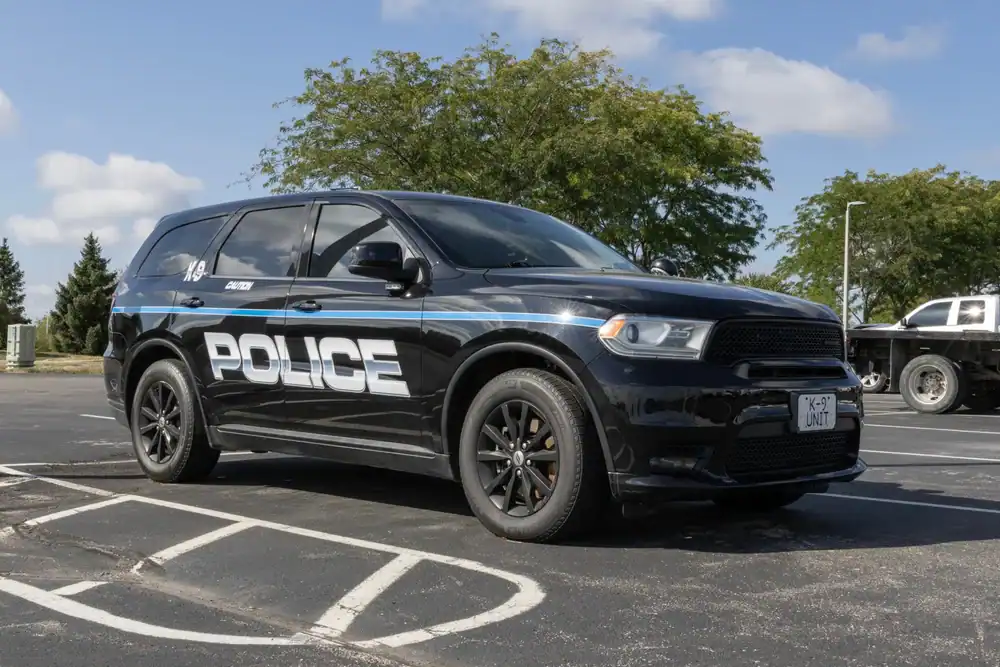
You’re not buying some stripped-down fleet vehicle with a sketchy past. These are Ford Interceptors, Dodge Charger Pursuits, and other retired police cruisers that were built to take a beating and keep running.
The engines are bigger. The brakes are stronger. The frames are reinforced. You’re looking at vehicles designed for high-speed response, long idle times, and constant use. That means better acceleration than a standard sedan, upgraded suspension that handles potholes without flinching, and components built to last beyond typical consumer-grade parts.
Most of these used cop cars for sale come from local and state agencies that kept strict maintenance schedules. You’re getting a vehicle that was someone’s work truck, not their weekend toy. It was maintained because it had to be, not because someone felt like it. That’s a different level of reliability than most used cars you’ll find.
We connect York, PA drivers with quality government-owned vehicles at prices that don’t require a loan officer’s approval. We’re not a traditional dealership pushing whatever’s on the lot. We focus specifically on retired police cars and government surplus vehicles because they offer something most used cars don’t: proven durability at a fair price.
York’s a working town. The median household income here is around $47,000, and unemployment sits higher than most places. You need a vehicle that works without draining your account. We get that, which is why we offer zero percent interest financing regardless of your credit score. No games, no gotchas.
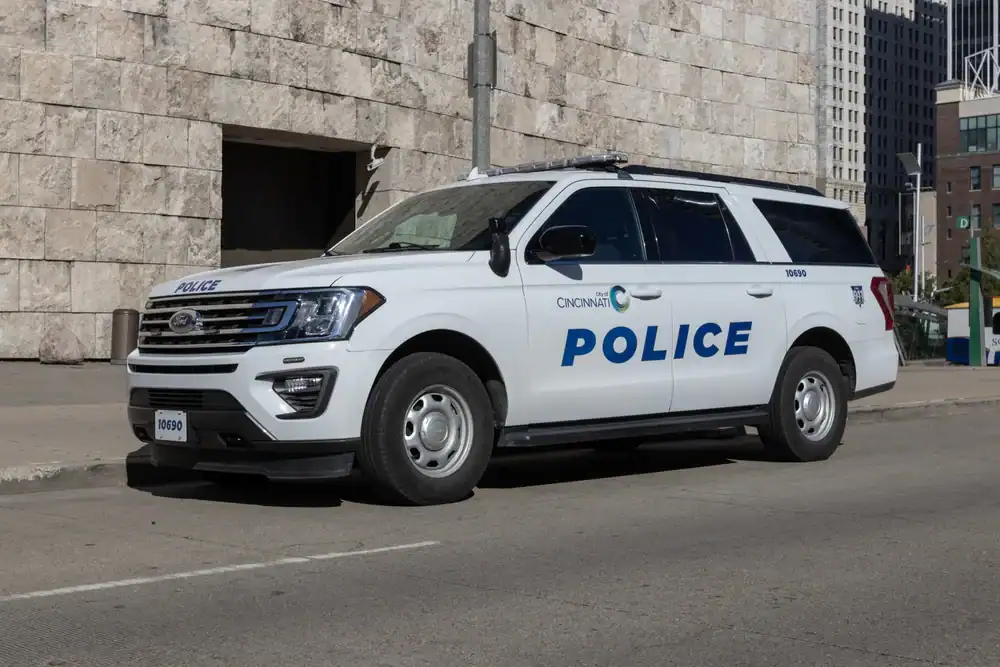
You start by looking at what’s in our current inventory. These are real vehicles available now, not some bait-and-switch listing. You’ll see Ford Police Interceptor Utilities, Dodge Charger Pursuits, and other models that agencies have retired from active duty.
When you find something that fits your needs, you can come see it in person. You’ll notice things like higher mileage, some interior wear from equipment removal, and the general signs of a vehicle that worked for a living. That’s normal. What matters is what’s under the hood and how the vehicle performs.
If you decide to move forward, we handle financing on-site. Zero percent interest, and your credit score doesn’t disqualify you. You’re not filling out applications and waiting for banks to decide if you’re worthy. We make it straightforward because buying a used police cruiser shouldn’t be harder than the job it used to do.
Ready to get started?
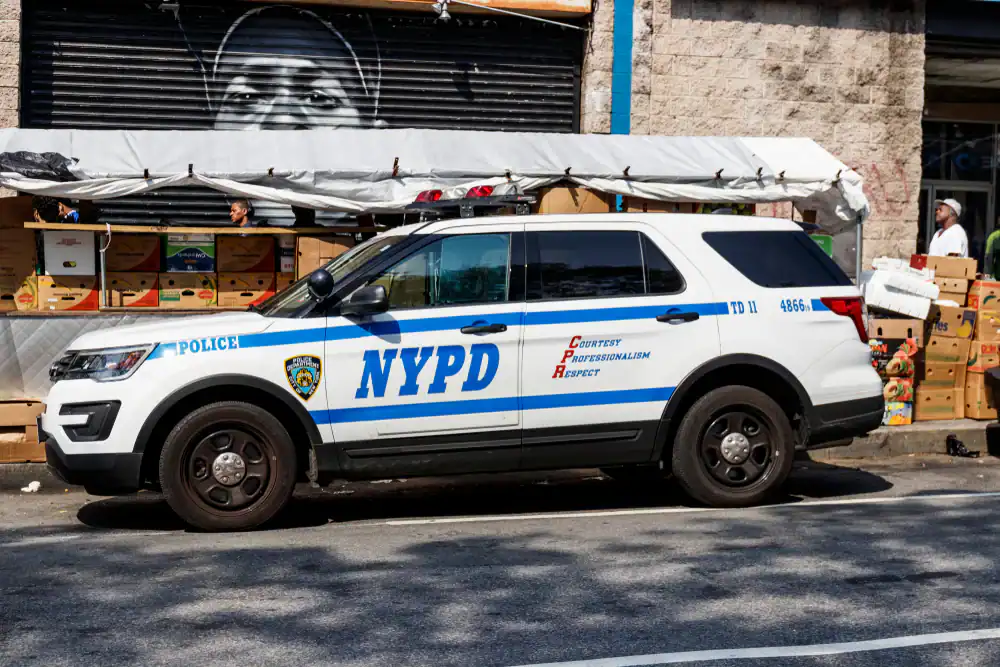
Our inventory rotates based on what government agencies are retiring, but you’ll typically find Ford Police Interceptor Sedans and Utilities, Dodge Charger Pursuits, and occasionally Chevy Tahoes or Explorers. These aren’t 20-year-old Crown Vics, though those were tanks in their day. You’re looking at more recent models that agencies used until budget cycles or mileage policies pushed them into surplus.
Mileage usually ranges between 80,000 and 160,000 miles. That sounds high until you realize these engines idle for hours during shifts, and that idle time doesn’t always translate to wear the same way highway miles do. The bigger consideration is how the vehicle was maintained, and government fleets don’t skip oil changes.
Prices typically fall between $5,000 and $15,000 depending on the model, year, and condition. Compare that to a similar civilian vehicle where you’re easily looking at $20,000 or more for anything remotely comparable. For York drivers working in healthcare, manufacturing, or retail, or anyone running rideshare or delivery routes, that price difference matters. You’re getting a vehicle with a V6 or V8 engine, heavy-duty cooling systems, reinforced components, and a history of regular upkeep. It’s not a luxury car, but it’s built to work.
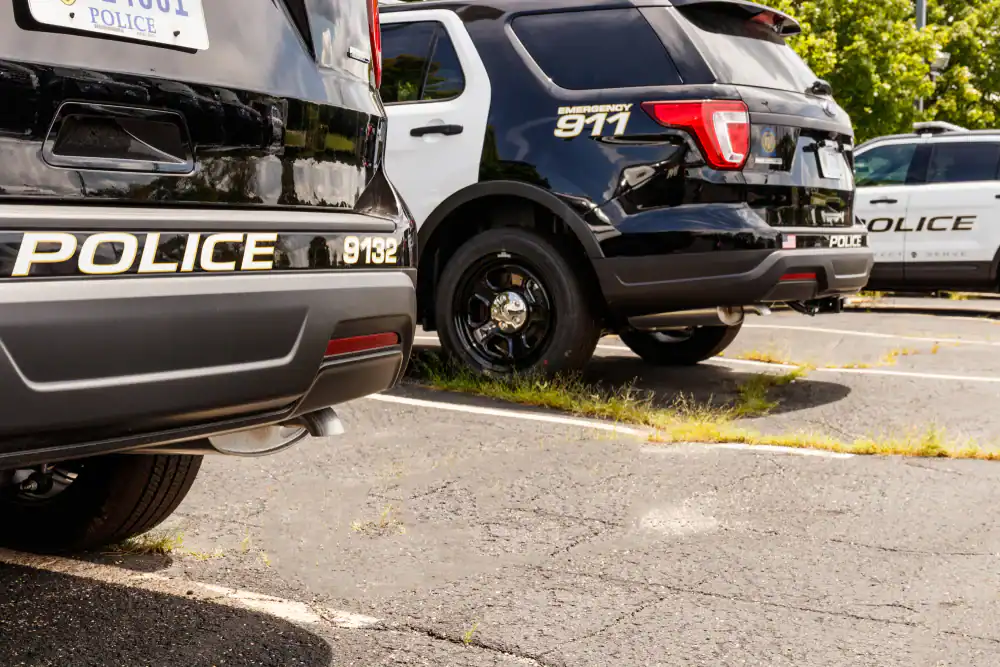
The mileage looks intimidating until you understand what it actually represents. Police vehicles rack up hours idling at scenes, during traffic stops, and on patrol. That idle time gets recorded as engine hours, not odometer miles. So yes, you’ll see 120,000 miles on the dash, but the engine might have significantly more wear than that number suggests.
Here’s what balances that out: these vehicles were maintained on strict schedules because they had to be. Departments can’t afford breakdowns during emergencies, so they follow manufacturer service intervals religiously. Oil changes, brake inspections, fluid top-offs, and part replacements happened whether the vehicle “seemed fine” or not. That’s a level of preventive care most civilian owners never maintain.
The other factor is how they’re built. A Ford Police Interceptor Utility isn’t the same as a standard Explorer. It has a larger engine, a heavy-duty transmission, upgraded brakes, better cooling systems, and reinforced suspension components. These aren’t luxury features; they’re functional upgrades designed to handle pursuit driving, constant idling, and rough road conditions. You’re buying a vehicle engineered for stress, not comfort. That makes a difference in longevity, even with higher mileage.
Start with the exterior and frame. Look for signs of heavy front-end damage or frame issues, which could indicate the vehicle was involved in a pursuit or collision. Some cosmetic wear is normal, but structural damage is a red flag. Check the undercarriage for rust, especially if the vehicle served in an area that salts roads heavily during winter.
Inside, expect wear. Seats might be torn or stained. There will likely be holes in the dash, console, or door panels where equipment like radios, computers, and light controls were mounted. Some buyers see that as character; others see it as a project. Either way, it’s fixable if it bothers you, but it’s also why these vehicles cost less than civilian equivalents.
Under the hood, you want to see evidence of consistent maintenance. If we have service records, review them. Look for regular oil changes, transmission services, and brake work. Check fluid levels and colors. Dark, burnt-smelling transmission fluid or low coolant levels suggest deferred maintenance, which contradicts the whole point of buying a former fleet vehicle. Also, test drive it. Listen for unusual noises, feel for vibration or pulling, and make sure the brakes respond firmly without grinding or squealing.
Most insurance companies will cover a retired police vehicle without issue, but some might ask questions or apply different underwriting standards. The vehicle’s VIN will show it was originally sold as a police package, and some insurers get cautious about that. They assume higher risk because the vehicle was used in law enforcement, even though it’s no longer in service.
The easiest way to handle this is to call your insurance agent before you buy and ask directly. Explain that you’re looking at a decommissioned police car and provide the VIN if you have it. They’ll tell you whether they’ll cover it and what the premium looks like. In most cases, you’ll get a standard rate because the vehicle is no longer being used for police work. It’s just a used Ford or Dodge at that point.
If your current insurer won’t cover it or quotes you something ridiculous, shop around. Not all companies treat former police vehicles the same way. Some see them as high-risk; others see them as well-maintained fleet vehicles with solid safety features. You’ll find coverage, but it’s worth confirming before you commit to a purchase.
They hold value better than most used vehicles in the same price range, mostly because there’s consistent demand. Security companies buy them for patrol vehicles. Taxi and rideshare drivers like them for durability and space. Hobbyists and car flippers buy them to refurbish and resell. That steady interest keeps resale prices relatively stable.
Depreciation still happens, but it’s slower than a typical used car because these vehicles were already heavily depreciated when agencies sold them. You’re buying at the bottom of the depreciation curve, not the top. If you pay $8,000 for a used police interceptor and sell it two years later, you’re not losing $4,000 in value like you would with a newer civilian vehicle. You might lose $1,000 to $2,000 depending on condition and market demand.
The other factor is utility. These aren’t collectibles, but they’re not disposable either. If you maintain the vehicle and don’t drive it into the ground, it’ll retain functional value because it’s built to last. Someone will want it when you’re done with it, whether that’s another driver looking for a budget-friendly workhorse or a business needing a fleet vehicle. That’s more than you can say for a lot of used cars in this price range.
The engine is the most obvious difference. Police interceptors come with larger, more powerful engines than their civilian counterparts. A standard Ford Explorer might have a 2.3L turbocharged four-cylinder. A Police Interceptor Utility gets a 3.0L or 3.3L V6, sometimes a twin-turbo setup. That’s not for fun; it’s for acceleration during pursuits and merging into high-speed traffic without hesitation.
The transmission, cooling system, and electrical system are all upgraded. Police vehicles idle for hours at a time, which generates heat and drains power. To handle that, they get heavy-duty alternators, larger radiators, and transmission coolers. The suspension is reinforced to handle rough roads, high speeds, and the extra weight of equipment. The brakes are bigger and more responsive because stopping quickly isn’t optional in police work.
You also get a reinforced frame and body structure. These vehicles are built to take impacts better than standard models, which improves safety in collisions. The interior is stripped down, usually vinyl or heavy-duty cloth instead of premium materials, because it needs to be durable and easy to clean. It’s not comfortable in the luxury sense, but it’s functional. Everything about a police interceptor is designed around performance and durability, not comfort or aesthetics. That’s exactly why they make sense for drivers who need a tough, reliable vehicle without paying new-car prices.
At State Surplus Auto Sales, yes. We offer zero percent interest financing regardless of your credit score. That’s not a promotional rate or a limited-time offer. It’s how we operate because we know most people shopping for used police cars aren’t doing it with perfect credit and a pile of cash.
Traditional dealerships run your credit, send it to banks, and come back with interest rates that make the vehicle unaffordable even if the sticker price seemed reasonable. You end up paying $12,000 for a $7,000 car by the time interest is factored in. We don’t do that. You pay the price of the vehicle, and that’s it. No interest, no credit check runaround, no surprises.
This matters in York, where the median household income is under $50,000 and unemployment is higher than the state average. You need a vehicle to get to work, run deliveries, or handle family logistics, and you can’t wait around for a bank to decide you’re worthy. We make it straightforward because financing shouldn’t be harder than finding the right vehicle.
Other Services we provide in York